How to Find Local Photography Spots When You're New to a Region

Relocating for work, embarking on an extended road trip, or simply exploring a new city often brings an immediate dilemma for photographers: the will to shoot is high, but the local knowledge required to find compelling subjects is missing. While digital resources offer a starting point, the process of translating a map into a meaningful photograph requires a structured approach to discovery and validation.
Recent Trends in Location Scouting
The methodology for finding photogenic locations has shifted considerably in recent years. Traditional word-of-mouth and physical guidebooks have been supplemented by a robust ecosystem of digital tools and community-driven data.
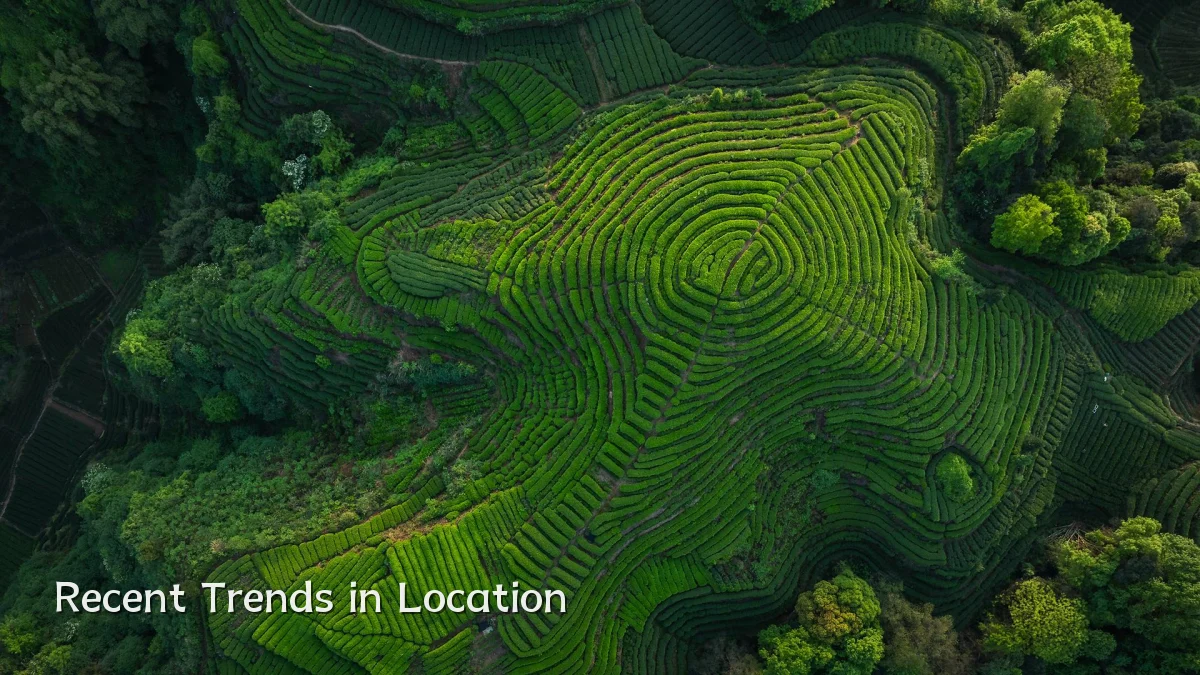
- Hyper-local social content: Searching by specific neighborhood or landmark names on social platforms often reveals hidden vantage points that popular travel pages overlook.
- Collaborative mapping: Crowdsourced mapping applications now allow users to pin scenic overlooks, urban stairways, and architectural details with accompanying photographs.
- Remote work influence: With longer stays in temporary locations, photographers are moving beyond headline attractions to scout residential areas and industrial zones, driving demand for deeper, offline community knowledge.
Background: The Shift from Local to Digital
Historically, finding locations required significant physical effort or access to established local camera clubs. Newcomers relied on accidental discoveries during long walks or tips from residents encountered on-site. Today, the discovery phase often happens entirely on screen, which introduces a new set of challenges. The sheer volume of digital data makes it difficult to parse what is genuinely accessible, legal, and visually rewarding. Consequently, photographers now operate in an environment where the initial search is easy, but the verification and filtering process requires disciplined research.
User Concerns and Practical Approaches
Moving to a new region brings several distinct concerns that influence how photographers should approach location scouting. Understanding these criteria helps reduce wasted time and avoids common safety or legal pitfalls.
- Access and legality: Public land does not always mean unrestricted access. Check local governing body websites for permit requirements, particularly for parks, reserves, or private property with public easements. Look for clear statements regarding commercial photography versus casual shooting.
- Safety and environmental impact: Satellite views and trail reports provide useful data on terrain difficulty and parking availability. Prioritize locations with established paths to reduce environmental damage and personal risk, especially in unfamiliar rural regions.
- Accuracy of geotags: Digital tags are frequently imprecise or intentionally misleading to protect sensitive sites. Cross-reference coordinates with topographic maps and recent visitor uploads to confirm the exact vantage point.
- Time investment: Scouting drives are often time-consuming. Batch locations by geographic proximity and plan for recce visits during the same time of day as the desired shoot to accurately anticipate lighting conditions.
Likely Impact on Photographic Practice
When the logistical barrier of finding locations is reduced, photographers typically experience a noticeable shift in creative output. More time spent refining composition and waiting for optimal light, rather than searching for a subject, tends to improve technical quality. Additionally, successfully navigating a new region builds confidence, encouraging photographers to move beyond generic viewpoints and develop a personal visual narrative tied to the specific environment. This often leads to deeper engagement with local communities and a greater appreciation for seasonal changes, as repeat visits become more manageable.
What to Watch Next
The future of location scouting is likely to see further integration between automated tools and on-the-ground experiences. Watch for the development of more sophisticated search filters that allow users to identify spots based on specific lighting conditions or foreground elements. There is also a growing movement toward monetized local guides and workshops, where regional experts offer curated access to private or overlooked locations. As these resources grow, the photographers who will benefit most are those who use digital tools for initial research but rely on physical exploration and local interaction to validate the lasting quality of a scene.