Capturing Character: A Regional Photography Overview from Coast to Heartland
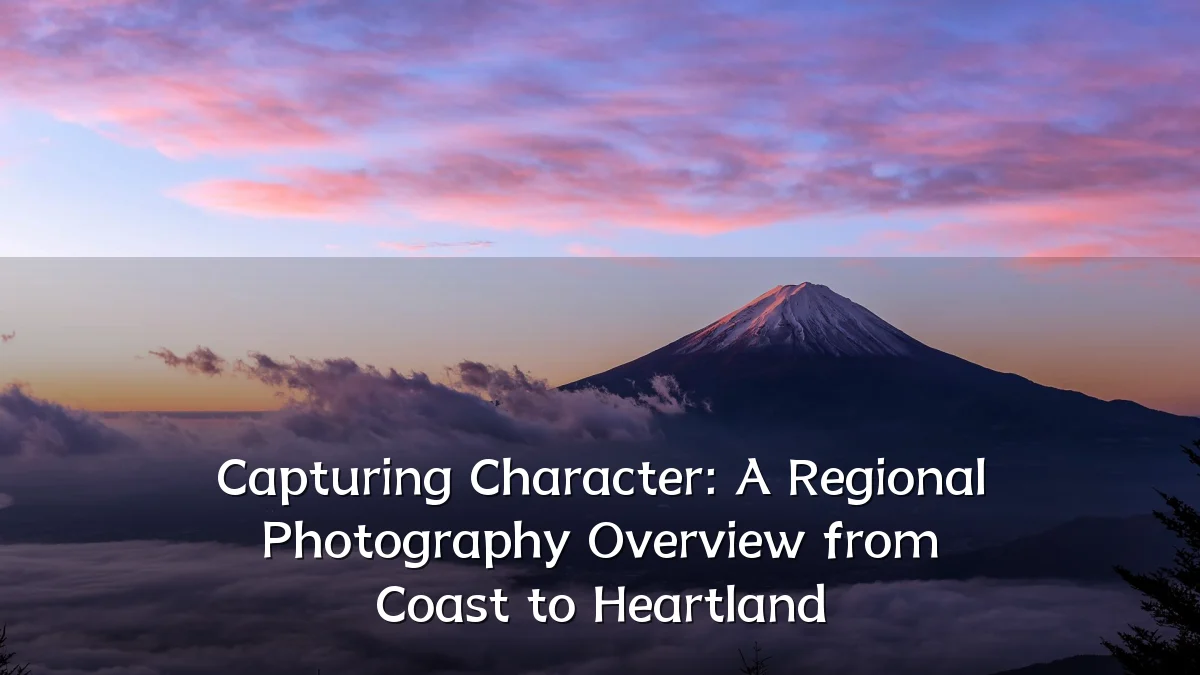
The contemporary photographic landscape in the United States is defined by a fascinating creative tension. On one side, coastal corridors offer dense urban narratives and dramatic oceanic backdrops. On the other, the vast interior—the heartland—presents open skies, agricultural cycles, and a slower visual cadence. This overview examines the recent shifts in how photographers capture the distinct character of these regions, analyzing the trends, background, user concerns, and potential impacts shaping the field today.
Recent Trends in Regional Photography
Across both the coasts and the heartland, the push toward authentic representation is replacing sweeping, postcard-style clichés. Rather than defaulting to iconic landmarks, photographers are concentrating on the everyday textures that define regional identity. This approach is largely driven by digital audiences searching for storytelling that feels personal and grounded.
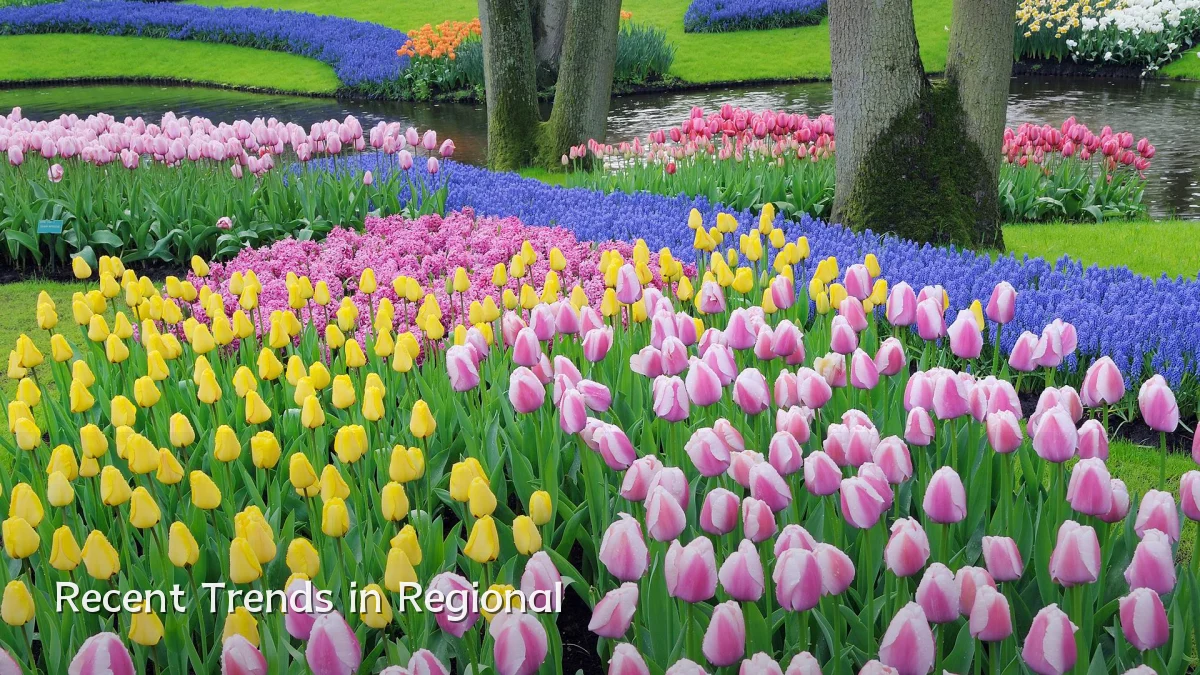
- Hyper-Local Narratives: Creators are embedding themselves in specific communities to document niche traditions, local industries, and the subtle architectural vernacular of their areas.
- The Workshop Economy: There is a rising demand for immersive photography tours led by regional experts, shifting the focus from generic sightseeing to specialized educational experiences.
- Social Media Aesthetics: Algorithms are increasingly rewarding topographical uniqueness, prompting photographers to seek out geological or cultural features that cannot be easily replicated elsewhere.
Background: The Divide and Convergence
Historically, American photography was dichotomized. Coastal photography dominated the commercial gallery scene, characterized by fast-paced street photography and high-fashion editorial work. Meanwhile, heartland photography was deep-rooted in the documentary tradition, often facilitated by government grants and agricultural publications. This east-and-west versus central split created distinct visual vocabularies—sharp, vertical, and transient versus wide, horizontal, and enduring.

However, the digital revolution and the proliferation of advanced, portable gear have flattened the technical barriers between these regions. The use of drones, for instance, has granted coastal cliff photographers the ability to capture sweeping vertical drop-offs with the same ease that heartland photographers capture endless prairie lines. While the subject matter remains distinct, the technical versatility and visual ambition are now converging, although it is crucial to recognize the internal diversity within these zones. The Pacific coastline differs drastically from the Atlantic, just as the Rust Belt differs from the Great Plains.
User Concerns and Considerations
For photographers moving between or operating within these regions, practical concerns vary significantly based on geography, climate, and local regulations. Understanding these factors is essential for a successful regional shoot.
| Concern | Coastal Regions | Heartland Regions |
|---|---|---|
| Environmental Factors | High humidity, salt spray, and unpredictable tides require frequent gear cleaning and weather-sealed bodies. | Temperature extremes, pervasive dust, and high winds necessitate robust sensor protection and sturdy tripods. |
| Access & Permissions | Urban density often invokes strict permitting laws, privacy concerns, and crowded vantage points. | Rural landscapes involve private property boundaries, requiring etiquette and permission for access to prime farmland or ranches. |
| Storytelling Ethics | Photographers must navigate the fine line between documenting authentic urban life and exploiting marginalized communities. | Similarly, there is a risk of romanticizing agricultural labor or reinforcing rural stereotypes, necessitating collaborative narratives. |
Likely Impact on the Photography Community
The renewed emphasis on regionalism is likely to influence both the commercial market and the creative ecosystem. As clients increasingly seek authentic backdrops for branding and editorial work, there will be a premium on local experts who can deliver nuanced access to specific locations. Stock photography platforms may also see a shift away from the proliferation of generic imagery toward a demand for highly specific cultural, geological, and industrial documentation. This regional focus is poised to redistribute economic value away from centralized media hubs, empowering local print shops, galleries, and independent publishers to sustain their operations.
What to Watch Next
Looking ahead, the intersection of technology and environment will be a critical focal point for regional photographers. The continued integration of artificial intelligence into post-processing software poses a risk of homogenizing distinct regional color palettes and lighting conditions unless creators consciously intervene. Battling this, a counter-movement emphasizing raw, untouched out-of-camera captures may gain traction. Additionally, the role of the regional photographer as an environmental documentarian is likely to expand, particularly regarding coastal erosion and agricultural adaptation, as these topics continue to gain prominence in the public discourse and demand rigorous visual evidence.