Common French Coast Photography Problems and How to Solve Them
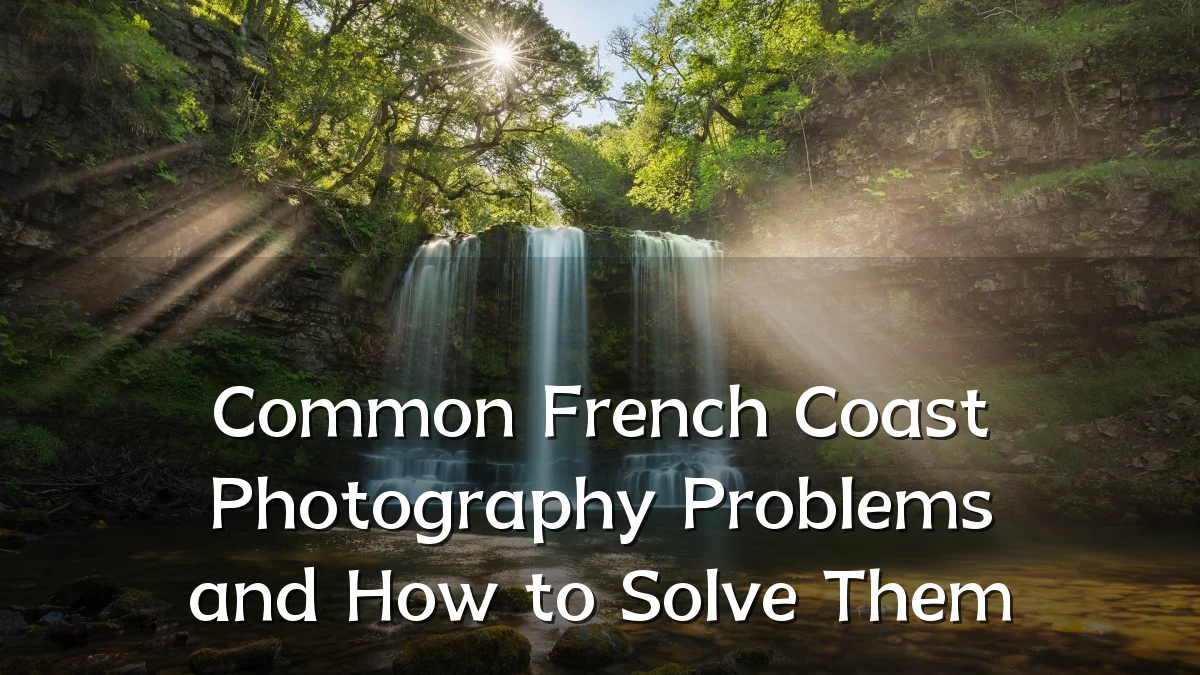
Photographers along the French coastline often face a familiar set of technical and environmental challenges, from harsh midday light to unpredictable tides and crowded viewpoints. While no single fix works for every situation, recent attention to location scouting, post-processing habits, and timing strategies suggests that most common issues are manageable with a more structured approach.
Recent Trends in Coastal Photography
In recent seasons, photographers have shifted toward planning tools and repeat visits rather than relying on chance conditions. Tide tables, weather apps, and sunrise calculators are now standard parts of a coastal shoot kit. There is also a growing preference for smaller, weather-sealed camera setups that handle salt spray and wind without adding excessive weight.

- More photographers are scouting locations in advance using satellite imagery and tide forecasts.
- Interest in off-season shooting along the Atlantic and Channel coasts has increased, as crowds thin and light softens.
- Post-processing workflows now commonly include exposure blending and noise reduction tailored to seascape scenes.
Background: Why the French Coast Is Tricky
The French coastline spans a wide range of conditions, from the dramatic cliffs of Normandy to the flat sands of the Landes and the rocky calanques of the Mediterranean. Each environment presents distinct problems. High humidity and salt air can fog lenses and corrode equipment. Strong winds make tripod stability difficult. Reflective sand and water often trick light meters, producing underexposed foregrounds or blown-out skies.

Timing is another complicating factor. The tidal range varies greatly by region, and a composition that works at low tide may be completely submerged an hour later. Photographers who fail to account for these shifts often lose the exact framing they arrived to capture.
User Concerns and Common Problems
Among the most frequently reported issues are lens flare, uneven exposure between sky and sea, and difficulty keeping focus in low-contrast fog. Many photographers also cite frustration with foreground clutter, especially on popular beaches where footprints and debris are common.
- Exposure gaps: A bright sky and dark water rarely fit within one exposure. Graduated filters or bracket-and-blend techniques are the usual remedies.
- Salt and spray: A protective UV or clear filter can be easier to clean than a lens front element. Microfiber cloths and a sealed bag for gear changes are widely recommended.
- Stability in wind: A heavier tripod or a hook to hang weight from the center column helps steady long exposures.
- Unwanted tourists: Early arrival or longer exposures with a neutral density filter can blur people out entirely, though this depends on the intended look.
Likely Impact of Better Solutions
Improving technical preparation tends to produce more consistent results in difficult conditions. Photographers who address exposure blending and white balance at the capture stage reduce retouching time afterward. Similarly, those who study tide charts before heading out are less likely to waste a session setting up in a location that changes mid-shoot.
There is also a practical benefit for printed work and stock imagery. Cleaner composition, proper horizon lines, and accurate color in wet conditions make images more usable for editorial and commercial buyers. As more photographers adopt these habits, the overall quality of coastal work is expected to rise, even in familiar locations.
What to Watch Next
Look for continued improvement in in-camera processing tools, particularly those that handle high dynamic range scenes without requiring extensive computer work. Camera manufacturers have been adding computational features that may eventually reduce the need for exposure bracketing. Drone photography along the coast is also evolving, though pilots should remain aware of restricted zones and seasonal bird protections.
On the practical side, expect more local photo workshops to emphasize safety and environmental care, especially around tidal areas and fragile dunes. Photographers who combine respect for the landscape with solid technical fundamentals will likely find the French coast far more forgiving than it first appears.