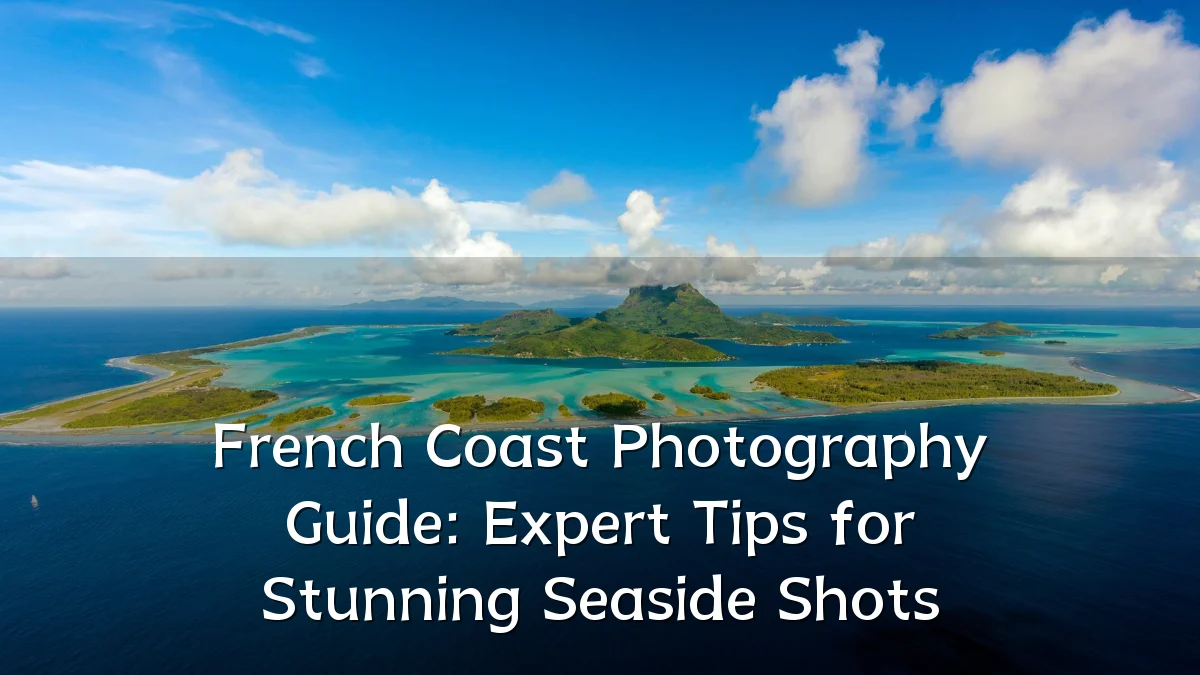
French Coast Photography Guide: Expert Tips for Stunning Seaside Shots
Recent Trends in Coastal Photography
Photographers are increasingly gravitating toward the French coastline, drawn by dramatic cliffs, soft morning light, and tidal variations that transform a scene in hours. The recent emphasis on smaller, lighter camera kits has made rugged coastal access more practical, while smartphone cameras with advanced computational modes are also producing credible seascape results. A growing number of shooters now prioritize tide tables and local weather windows over generic "golden hour" advice, treating the coast as a live, changing studio.
- Compact mirrorless systems with weather-sealed bodies are gaining popularity for salt-spray environments.
- Long-exposure neutral density filters remain a staple for smoothing water and conveying motion.
- Drone footage continues to rise, though regulatory limits vary by zone and season.
- Online tutorials increasingly stress the value of scouting at low tide before committing to a shot.
Background: Why the French Coast Is Different
The French coastline spans the English Channel, the Atlantic, and the Mediterranean, offering distinct challenges and rewards. Tidal ranges in Normandy and Brittany can expose vast rock platforms, while the Mediterranean offers calmer water and harsher midday light. Backing this diversity is a history of painting and photography that has shaped expectations of what a "perfect" coastal image should be. Yet the technical decisions—when to shoot, how long to expose, which focal length compresses a cliff face best—remain consistent across regions, even as the scenery shifts.

The best coastal photographs usually result from patience: waiting for the right water level, cloud break, or wind direction, rather than relying on a single preset setting.
User Concerns
Photographers planning seaside shoots often cite the same practical worries, regardless of experience level. Crowds at iconic locations can limit composition choices, especially during summer. Access to certain coves and headlands may be restricted for safety or environmental protection, and signage is not always clear. Weather is another frequent concern—coastal forecasts change quickly, and sea spray can damage gear if precautions are not taken. Finally, newcomers often worry about inconsistent results when editing raw files from scenes with bright skies and dark foregrounds.
- Check local regulations ahead of time; some protected natural areas prohibit tripods or drones.
- Arrive at least 45 minutes before sunrise or sunset to settle on a composition safely.
- Carry microfiber cloths and a rain cover, even on clear days, as sea spray travels farther than expected.
- Use exposure bracketing for high-contrast scenes instead of relying on a single frame.
Likely Impact
These practical concerns are shifting how photographers approach the French coast. Instead of chasing a fixed list of famous viewpoints, many now plan around seasonal light angles and tidal timetables, producing more original work while reducing pressure on the most visited spots. The wider use of weather apps and live tide data has also made trips safer and more predictable. At the same time, the rise in drone and large-format equipment has revived conversations about respecting local communities and fragile dune ecosystems, with some locations tightening permits or designating quiet zones.
For the local tourism sector, the impact is mostly positive: photography-driven visits spread economic activity beyond high summer, supporting guesthouses and cafés in shoulder seasons. However, the same attention can overwhelm small parking areas and footpaths, prompting municipalities to consider reservation systems for certain lookouts. A balanced approach—encouraging access while managing the number of visitors—appears likely to continue in popular areas such as Étretat, the Calanques, and the wilder stretches of Brittany.
What to Watch Next
Regulatory changes are the clearest variable on the horizon. Drone rules are being reviewed at national and European levels, and several coastal reserves have signaled that they may require advance digital permits for commercial shoots. On the gear side, improvements in sensor dynamic range and in-camera focus stacking could reduce the need for complex post-production, making coastal photography more approachable for beginners. Watching how climate-driven erosion alters famous landmarks may also change the "classic" angle over time; some dunes and cliff edges are retreating faster than expected, so photographers may need to adapt their familiar compositions.
For those planning a trip, a useful approach is to monitor tide and surf forecasts alongside weather models, and to explore nearby secondary cliffs or harbors when a famous viewpoint is crowded. The French coast rewards flexibility: the same shoreline can appear entirely different during a winter storm, an autumn clearing, or a calm summer dawn, and the strongest portfolios often combine all three moods.