The Ultimate Directory of French Coast Photos: Where to Find Stunning Shots Online
With the French coastline stretching from the North Sea to the Mediterranean, demand for high-quality photography of its cliffs, beaches, and harbors continues to grow. Online directories and stock platforms have become primary stop-off points for editors, travel bloggers, and marketing teams looking for reliable, visually strong imagery. This analysis looks at how those directories are evolving and what visitors should weigh before downloading.
Recent Trends in Coastal Photography Discovery
Search behavior around French coast photography has shifted from single keyword queries toward location- and condition-specific searches. Users increasingly want images of particular stretches—such as the Opal Coast, the Brittany inlets, or the Corsican shore—rather than generic shoreline shots. To meet that need, directories now emphasize granular tagging and map-based browsing.
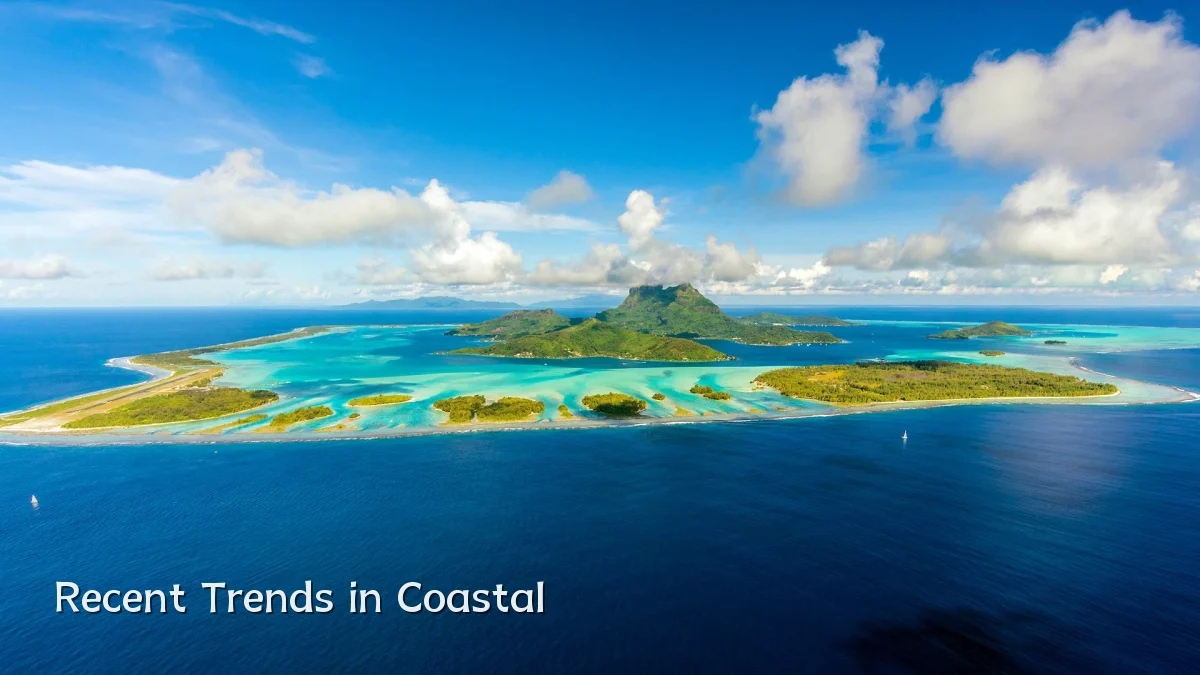
- Drone footage has expanded the range of available angles, especially for cliffs and tidal zones.
- Editing tools have made it harder to tell whether a photo has been altered, pushing directories to add disclosure fields.
- Curated collections, such as "stormy Atlantic beaches" or "Mediterranean calanques," are replacing broad category pages.
- Free and paid directories are converging, with many offering previews, then licensing gateways.
Background: Why the French Coast Draws So Many Photographers
The French shoreline offers unusual variety within one country: chalk cliffs in Normandy, granite rocks in Brittany, sandy stretches along the Atlantic, and rocky coves near the Riviera. This range makes it a staple subject for stock libraries and editorial portfolios alike. For years, directories organized these photos primarily by region, which served casual visitors but left searching professionals frustrated when they needed precise lighting, season, or tide details.
Rights management has also shaped the market. Some platforms operate on royalty-free terms, while others license specific editorial uses. Photographers increasingly distribute across multiple directories to maximize reach, while buyers rely on aggregated search engines to compare what is available. The result is a fragmented but improving landscape.
User Concerns: What to Check Before Downloading
Anyone using a directory of French coast photos runs into several recurring issues. Awareness of these concerns helps separate reliable sources from collections that waste time or create legal risk.
- Licensing clarity: Confirm whether the photo needs attribution, a paid license, or a release for commercial use.
- Resolution and crop compatibility: Magnificent images often are presented as small previews; check available file sizes before relying on them for print or large web banners.
- Metadata and location accuracy: Mislabeled landmarks are common, so cross-check captions against official maps or local tourism sources.
- Authenticity and retouching: Some manipulated skies and exaggerated colors may misrepresent a site. Review disclosure notes when available.
- Representation of seasons: A summer photo may not suit a travel guide that needs off-season visuals. Use filters for month or weather conditions.
Likely Impact on Buyers, Photographers, and Platforms
As directories improve, the practical effect should be shorter research time and fewer clearance disputes. Buyers gain more confidence when metadata includes exact coordinates, shooting date, and licensing terms. Photographers, in turn, benefit from smaller but more relevant audiences because their work appears in targeted searches instead of buried in generic beach galleries.
For platforms, the pressure is to build interfaces that handle thousands of similar-looking coastal shots without overwhelming the visitor. That means stronger visual comparison tools, simplified licensing checkouts, and better integration with content management systems. The likely winners are directories that combine editorial curation with transparent technical specifications.
What to Watch Next
The next phase of coastal photography directories may focus less on raw volume and more on verifiability. Users are likely to see clearer labels for artificially enhanced images, more location-based filtering through interactive maps, and broader inclusion of drone perspectives that comply with local aviation rules.
- Expect greater attention to climate-related visuals, including erosion examples and rising sea-level comparisons.
- Watch for partnerships between directories and regional tourism bodies to document less-visited stretches of coast.
- Video clips may blur into photo directories, creating hybrid libraries for websites that need motion backgrounds.
- Community and contributor verification processes could become more visible, helping users judge reliability at a glance.
Finding the right shot is no longer just about clicking through a large gallery. It is about working with directories that respect time, rights, and realistic expectations. Those criteria will likely determine which sources become trusted anchors in the crowded field of French coast photography.