Capturing the French Riviera: A Photographer's Review of the Best Coastal Views

Photographers searching for the perfect Mediterranean frame have long gravitated toward the French Riviera’s cliffs, coves, and promenades. In recent months, online reviews and photo-sharing communities have shifted attention from postcard clichés to lesser-known angles and working conditions along the coast. This analysis looks at what is driving those reviews, how expectations have evolved, and what travelers and content creators should consider before placing their tripod.
Recent Trends
Current reviews of French Riviera coastal photography emphasize three practical shifts: timing, seasonality, and equipment rules. Rather than focusing only on famous viewpoints, many photographers now compare accessibility across different months and hours.
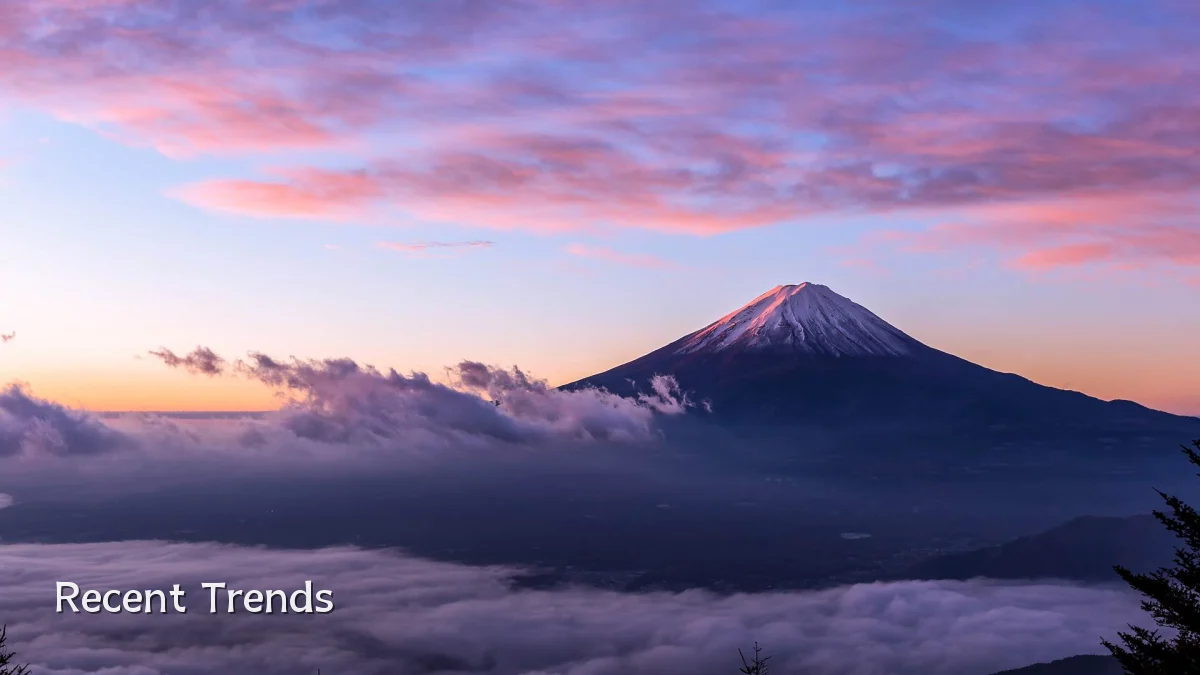
- Early access — Sunrise slots are increasingly recommended not for artistic preference alone, but to avoid crowds and secure stable light.
- Drone interest — Aerial perspectives remain popular, but reviewers frequently remind each other that drone use is regulated near urban areas, ports, and nature reserves.
- Off-season visits — Late September through early November is often cited as a practical window for clear skies and moderate temperatures, though conditions vary year to year.
Reviewers also note a rising preference for walks between villages rather than single-point overlooks. Coastal paths that connect towns like Èze, Villefranche-sur-Mer, and Cap d’Antibes receive repeated praise because they offer layered compositions without heavy gear.
Background
The Riviera has been a photographic subject for more than a century, from early postcard makers to contemporary landscape photographers. Its appeal rests on a combination of abrupt coastal geology, human-made landmarks, and a generally bright climate. However, the way people find and evaluate viewpoints has changed with digital maps and social media.
Many existing reviews stem from personal blog posts or forum threads where users exchange practical details rather than artistic critique. Common references include the Sentier du Littoral, coastal footpaths that are partly closed or rerouted due to erosion, and a number of public terraces managed by local municipalities. Because trail conditions vary by storm damage and seasonal maintenance, recent reviews frequently advise checking local signage rather than relying on older online descriptions.
Professional photographers have also contributed to reviews, but with a different focus. Their comments tend to center on light direction, polarizer use, and the challenge of preserving shadow detail in white limestone and dark water. That distinction matters: a viewpoint may be excellent for a phone photo but poorly suited for a large-format setup.
User Concerns
Comments and reviews across travel and photography platforms reveal recurring concerns that go beyond image quality.
- Access limitations — Some trails are narrow, unshaded, or subject to closure after rockfall. Photographers should check official local trail status before carrying heavy equipment.
- Privacy and property rules — Several high-end villas sit close to public paths, and long telephoto lenses sometimes create tension. Reviews advise respecting sightlines and local privacy norms.
- Permissions for commercial work — Casual photography is generally fine, but paid shoots or tripod use in certain municipal gardens and beaches may require a permit. Reviewers suggest contacting the relevant town hall in advance.
- Parking and public transit — Many viewpoints are less accessible than they appear in photos. Parking is limited in small coastal villages, and some roads are closed to cars during high season.
Another common concern is the gap between edited images and real conditions. Reviewers frequently mention that strong haze, midday glare, or low clouds can obscure the dramatic backdrop shown in popular posts. This has prompted a more honest style of review, with photographers noting the percentage of shoots that actually produced usable results.
Likely Impact
As these reviews accumulate, their influence appears in three areas: tourist behavior, local management, and gear choice.
First, tourists are increasingly choosing early-morning visits or shoulder-season trips. That reduces peak-hour congestion at the most famous overlooks and may extend the tourism calendar beyond summer. Second, local authorities may face more questions about trail maintenance and permit clarity. Public reviews that are specific about closures can pressure municipalities to update their signs and websites.
Third, gear selection is shifting. Because many viewpoints require walking on uneven stone or narrow stairs, photographers are packing lighter tripods and mirrorless systems instead of bulky DSLR kits. Reviews that mention weight and portability are becoming as common as those about focal length and aperture.
There is also a subtle impact on content authenticity. As more photographers share behind-the-scenes details about access and conditions, the idealised image of a solitary cliffside shoot is giving way to a more realistic understanding that good timing and flexibility matter more than expensive equipment.
What to Watch Next
Several developments could shape future reviews of French Riviera coastal photography.
- Trail restoration projects — Erosion control work along the coast may open or close sections of the Sentier du Littoral. Photographer reviews will likely reflect these changes quickly.
- Updated local photography rules — Some municipalities are clarifying rules for tripods and drones. New guidance could affect where and when professionals can shoot.
- Climate-related visibility shifts — Warmer summers may bring more haze and wildfires, while winter storms can temporarily alter coastlines. Comparing reviews across seasons will become more important.
- Alternative viewpoints — Less-known spots around the Estérel massif and the Îles d’Hyères are gaining attention as photographers seek to reduce crowding and find new compositions, though ferry schedules and protected areas add planning steps.
The most useful reviews are likely to remain those that pair an appealing image with honest logistics. For photographers planning a trip, the takeaway is simple: treat online reviews as a starting point, not a guarantee. Conditions change, and the Riviera’s best angles often reveal themselves only after the crowds leave and the light softens.