How to Capture the Wild Beauty of France's Atlantic Coast in Photographs
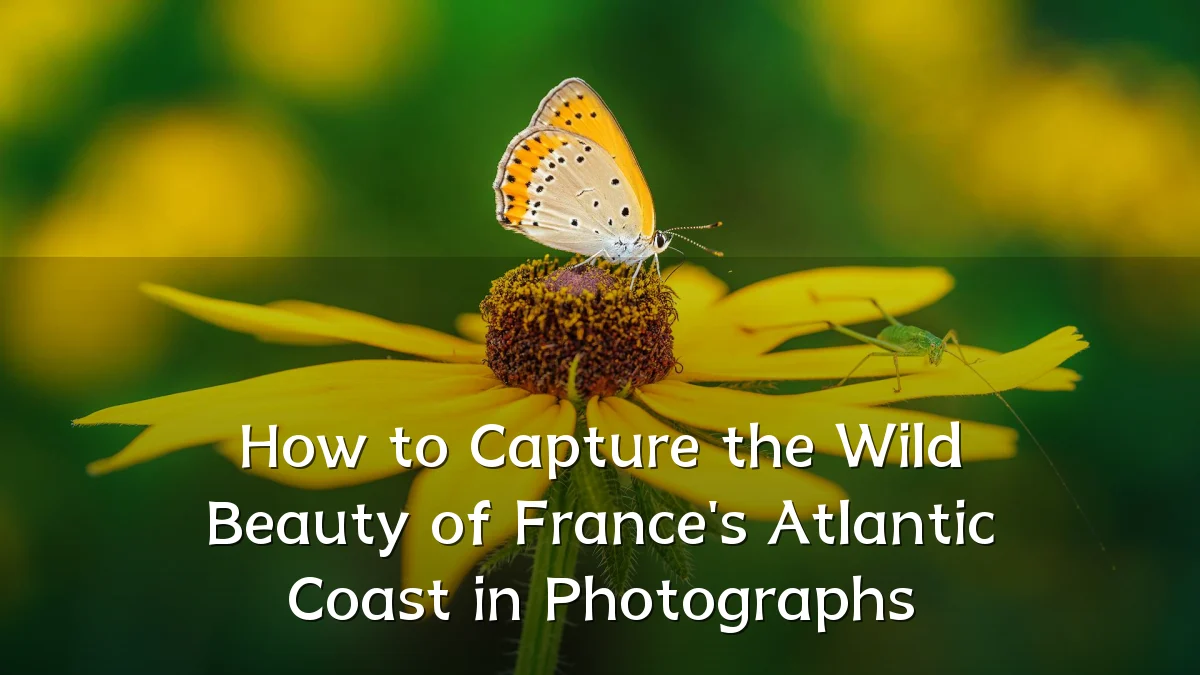
Photographers seeking dramatic coastal imagery have increasingly turned their lenses toward France's Atlantic seaboard, a stretch of shoreline defined by shifting dunes, powerful surf, and historic lighthouses. As interest in outdoor and landscape photography continues to grow, the Atlantic coast has become a recurring subject in portfolios and photo essays, drawing attention to both its visual appeal and its environmental fragility.
Recent Trends
In recent seasons, the most notable shift has been toward more spontaneous, weather-driven photography rather than rigidly planned golden-hour shoots. Storm fronts, fast-moving cloud formations, and the region's famously changeable light are now treated as central creative elements, not obstacles. Several contributing factors are behind this trend:
- Wider availability of weather-tracking apps tailored to coastal wave and wind conditions.
- Growing emphasis on "slow photography," where photographers wait out changing conditions over hours or days.
- Increased sharing of behind-the-scenes footage on social platforms, highlighting the process over the perfect result.
Another trend is the move away from iconic landmarks toward neglected, in-between spaces, such as tidal estuaries, erosion-exposed rock formations, and the quiet edges of salt marshes.
Background
The Atlantic coast of France runs roughly from the Spanish border to Brittany, encompassing a diverse mix of cliffs, long sandy beaches, pine forests, and the vast mudflats of the Bay of Arcachon and the Vendée. This diversity is central to its appeal. Unlike the more sheltered Mediterranean shore, the Atlantic offers a raw, ever-changing environment where tides can recede by hundreds of meters and leave behind temporary landscapes of sandbars and reflective pools.
Historically, photography of this region focused on its nautical heritage: fishing ports, wooden groynes, and lighthouse architecture. Over time, that coverage has expanded to include conservation-oriented images documenting the effects of coastal erosion and the ongoing management of protected dunes.
User Concerns
Photographers considering a trip to the Atlantic coast often raise similar practical concerns. The following points are among the most frequently discussed:
- Tide and safety: The region's large tidal range can strand visitors on sandbanks quickly. Reliable tide tables and local advice are essential.
- Equipment durability: Salt spray, blowing sand, and gusty winds demand sealed camera bodies and careful lens cleaning routines.
- Access restrictions: Many dune areas are protected, and walking paths are strictly defined. Drones are also banned in several nature reserves.
- Light unpredictability: Clear conditions can turn overcast within minutes; flexible scheduling matters more than precise forecasts.
Concerns about "over-tourism" at popular viewpoints have also been raised, prompting some photographers to seek lesser-known sections of the coast during off-peak times.
Likely Impact
The sustained interest in Atlantic coast photography appears likely to influence both local tourism practices and environmental awareness. Stunning images of eroding cliffs and storm-damaged dunes have already drawn attention to the pace of coastal change. If the current trend continues, several outcomes are plausible:
- Further promotion of low-impact photography guidelines, including designated access trails and no-drone zones.
- Closer collaboration between local tourism boards and photographers to spread visitors across less fragile areas.
- More visual documentation of seasonal shifts, which may support future coastal management discussions.
The emphasis on authentic, weather-driven imagery also encourages a longer "dwell time" among photographers, who may spend multiple days in a single area. This shift could bring modest economic benefits to smaller coastal villages that are not traditional tourism hubs.
What to Watch Next
As conditions along the Atlantic coast evolve, photography of the region is likely to follow in a few identifiable directions. Observers are paying attention to whether interest in the coastline as a subject continues to grow or recedes as tastes change. Specific factors worth watching include:
- The release of new local photography guidebooks and route maps, which could signal mainstream adoption.
- How legacy image libraries update their collections to reflect stormier, less idealized depictions of the coast.
- Whether camera manufacturers introduce more weather-sealed entry-level gear, making coastal photography more approachable for hobbyists.
- The role of emerging visual essays that combine photographs with short documentary text, covering both beauty and ecological change.
For now, the Atlantic coast remains a demanding yet rewarding subject. Its wild appeal lies not in static perfection but in the unpredictable dialogue between land, sea, and sky. Photographers who respect that unpredictability, while planning carefully for tides and protected zones, will continue to find fresh stories in this familiar stretch of shoreline.