Cotentin Photos Online: 10 Best Websites for Stunning Peninsula Images
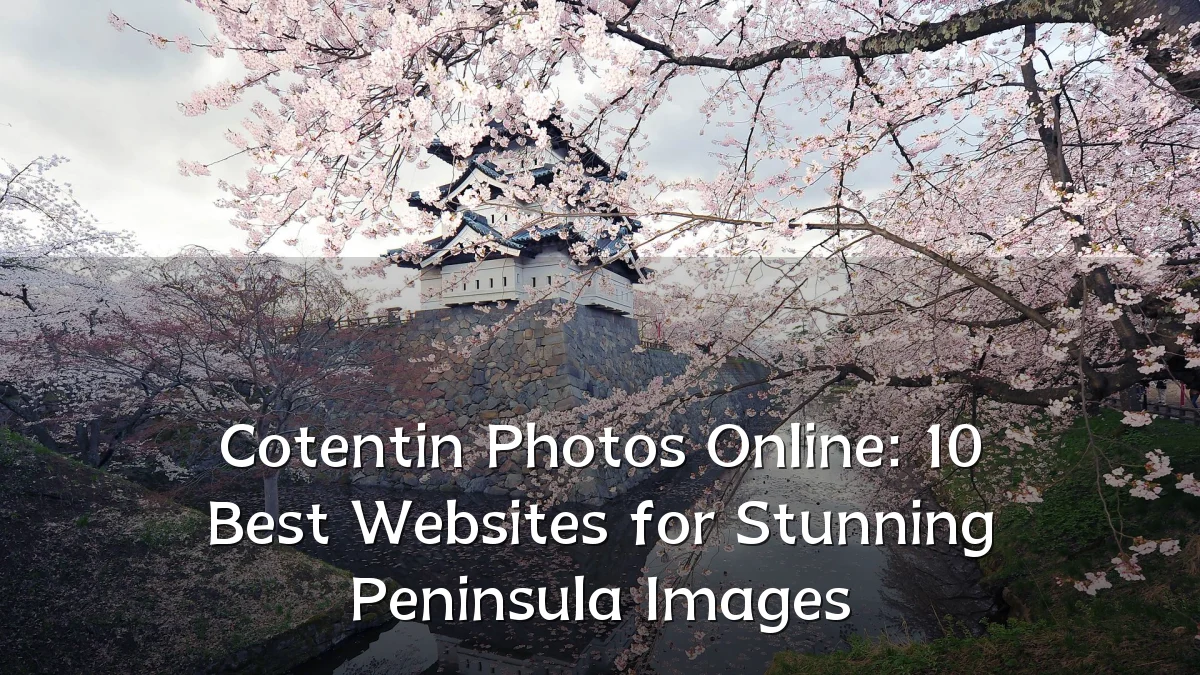
The Cotentin Peninsula, stretching from the Normandy coast into the English Channel, has long drawn photographers with its cliffs, tidal islands, and rural landscapes. As demand for high-quality regional imagery grows, a wider set of websites now competes for attention, ranging from curated editorial archives to crowd-sourced travel libraries. The following analysis looks at how these sources have evolved, what users typically expect, and where the market appears to be heading.
Recent Trends
Over the past several seasons, the biggest shift has been away from generic stock photography and toward location-specific, authentic content. Photographers are increasingly tagging images with precise communes, coastal paths, and seasonal conditions, making it easier to find shots of specific sites such as the harbor at Barfleur, the dunes at Hattainville, or the fortified town of Saint-Vaast-la-Hougue. Several platforms have also introduced "editorial" categories that separate candid, documentary-style photos from polished commercial shots.

- Rise of geo-tagged collections organized by hiking trails and coastal landmarks.
- Growth of regional photo blogs with downloadable high-resolution sets.
- Greater use of user-generated content by tourism boards and local press.
Background
The Cotentin has been a regular subject in French landscape photography for decades, but online distribution was long fragmented across personal galleries and regional forums. The current landscape includes at least ten major categories of websites: national stock agencies, regional tourism portals, community-driven photo-sharing platforms, niche Normandy-focused blogs, and official municipal archives. Each serves a different purpose, from quick reference images to print-ready files. Most established sources now offer filters for orientation, resolution, and license type.
For practical purposes, the best websites tend to be those that combine visual quality with clear usage terms. A striking image is less useful if the licensing details are vague or if the file resolution is capped for commercial use.
User Concerns
Frequent visitors and content creators often raise the same issues when comparing Cotentin image sources:
- License clarity: Whether an image can be used in blogs, printed guides, or commercial promotions.
- Freshness of content: Whether collections are updated with current-season conditions or rely on older archival shots.
- Search reliability: Whether tags and titles reflect actual Cotentin locations rather than broad "Normandy" or "France" labels.
- Download quality: Availability of high-resolution files without hidden fees or mandatory attribution.
Another recurring concern is the lack of consistent captions. A photo of a specific lighthouse, chapel, or beach can be mislabeled across platforms, creating confusion for users who need accurate context for editorial pieces.
Likely Impact
The growing number of websites means more choices, but also more variation in reliability. For casual users, the impact is modest: most will find a usable image with a few searches. For professional editors, the effect is more significant, as the need to verify rights and accuracy adds time to the selection process. The trend toward curated, location-specific platforms is likely to continue because it directly addresses the main complaint of generic results.
At the same time, local tourism stakeholders are likely to benefit. More accessible, high-quality Cotentin imagery supports promotional campaigns and helps smaller towns gain visibility beyond traditional brochures.
What to Watch Next
Several developments will determine how these platforms evolve:
- Whether official tourism sites begin hosting their own open-license photo libraries.
- How well platforms handle seasonal updates, especially for tides, light conditions, and weather-dependent scenes.
- Whether AI-generated or heavily edited images will require clearer labeling to maintain trust.
- If community platforms introduce stronger location verification for uploads.
For now, the practical advice remains straightforward: compare at least two or three sites before committing to a download, check the license details on each image, and prioritize sources that show the Cotentin Peninsula independently rather than as a secondary tag under broader Normandy content.