Cotentin Through the Lens: Honest Photo Reviews from Real Travelers

Recent Trends in Traveler Photography Reviews
Photo reviews of the Cotentin region have become noticeably more prominent across major travel platforms. In recent seasons, travelers have shifted from writing long-form text reviews to sharing gallery-style photo sets that document coastal paths, market squares, and working harbors. The emphasis is less on curated scenic shots and more on everyday authenticity: weathered granite buildings, tide-dependent causeways, and local food stalls.
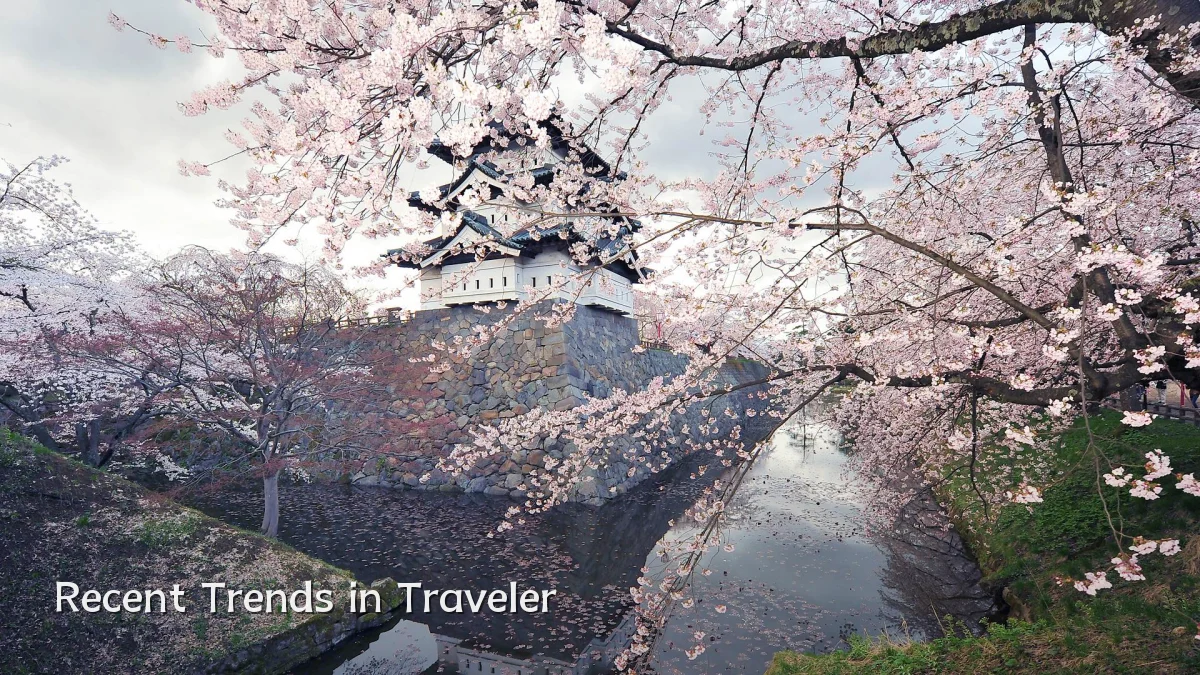
Several patterns have emerged in these photo submissions:
- Seasonal honesty: Many reviewers now upload images taken under overcast skies or light rain, correcting the perception that the Cotentin is only worth visiting in full summer sunshine.
- Practical angles: Photos often include parking areas, trail signage, and crowded viewpoints, which helps future visitors set realistic expectations.
- Nearby comparisons: Travelers frequently pair Cotentin images with shots from adjacent areas like the Normandy landing beaches or the Channel Islands, offering a regional context rather than isolated praise.
Background: Why Photo Reviews Matter for the Cotentin
The Cotentin peninsula has long attracted visitors for its mix of maritime history, protected wetlands, and working agricultural landscape. Unlike major cities or single-monument destinations, its appeal is diffuse: a network of small ports, headland walks, and dairy farms rather than one defining landmark.

Because of this fragmented character, photos serve a critical orienting function. A text review saying a site is “quiet” or “wild” can be interpreted in many ways, but a set of images showing empty car parks, muddy footpaths, or distant ferry schedules gives readers concrete grounds for deciding whether a place matches their travel style. For a region where weather and tides heavily shape the experience, visual evidence often outweighs written opinion.
Main Concerns Among Travelers
Analysis of recent photo reviews and reader comments reveals recurring concerns that travelers say are underrepresented in official tourism materials.
- Tide-dependent access: Several photo sets highlight paths and crossing points that become unusable at high tide, despite being marked as walkable on local maps.
- Limited facilities offseason: Images from spring and autumn visits frequently show closed restrooms, shuttered cafés, and reduced ferry schedules that contradict assumptions of year-round availability.
- Crowding at specific overlooks: While the region overall is quiet, a few photographic viewpoints, particularly near Mont Saint-Michel bay and certain Cap de la Hague lookouts, attract tour buses during midday hours.
- Road conditions: Narrow rural lanes are a common subject, with travelers posting photos of passing places and hedgerow-lined routes to warn drivers of slow going.
Likely Impact on Local Tourism and Planning
The growing reliance on candid traveler photos may push local tourism offices and hospitality operators to adjust how they present the region. Destinations that once emphasized only blue-sky images are likely to face pressure to acknowledge variable weather, tidal rhythms, and seasonal service levels.
Potential practical consequences include:
- Better signage: Local authorities may respond to repeated photo evidence of misleading trail markers by installing clearer tide charts and access timetables at key trailheads.
- Revised marketing materials: Tourism boards may begin featuring neutral-sky or even rainy-day imagery in official campaigns to close the gap between promotion and lived experience.
- Offseason service adjustments: If photo reviews consistently flag closed facilities during shoulder months, municipalities and private operators may reassess minimum service periods for toilets, information points, and shuttle connections.
What to Watch Next
The trajectory of Cotentin photo reviews will depend on how quickly institutions respond to visual feedback and whether visitor expectations shift accordingly.
- Response from trail managers: Watch whether official guides begin citing photographed hazards or tidal windows directly in their route descriptions.
- Platform policy changes: Travel sites are experimenting with structured prompts that ask reviewers to upload photos of specific categories — food, rooms, view, access. If such prompts expand, Cotentin photo reviews may become more standardized and easier to compare.
- Local business adaptation: Observe whether cafés, campsites, and boat operators start posting their own unfiltered seasonal photos, signaling acceptance of the new visual standard rather than resistance to it.
- Visitor dispersion: As more travelers share crowded-viewpoint photos, less photographed inland areas of the Cotentin, such as the bocage country and lesser-known village churches, may see increased attention or deliberately staged counter-narratives from local tourism agencies.
For now, the trend points in one clear direction: travelers increasingly trust unpolished images from their peers over polished official photography. The Cotentin, with its weather-dependent landscapes and diffuse attractions, has become a useful case study in how honest photo reviews can reshape perception of a region. Continued monitoring of uploaded images and the responses they generate will reveal whether the gap between expectation and reality narrows or simply becomes better documented.