Chasing the Light on the Cotentin: A Photographer's Guide to Sunrise and Sunset Spots
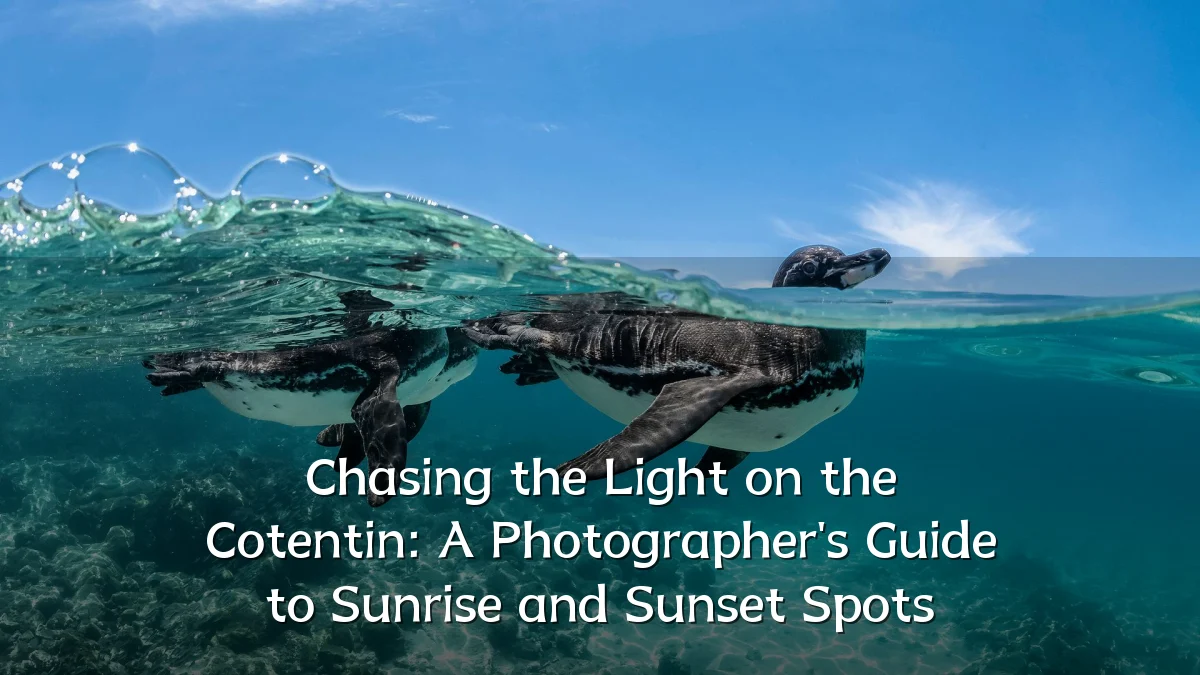
The Cotentin Peninsula has long drawn photographers seeking dramatic coastal light, and a dedicated blog focused on the region's sunrise and sunset locations has become a practical reference point for both visiting shooters and local enthusiasts. The guide does not simply list coordinates; it frames the peninsula as a landscape where tides, weather, and season determine how much of the scene will actually cooperate. This analysis looks at the trends around such location guides, the context behind the Cotentin's appeal, and what photographers should weigh before heading out.
Recent Trends in Location-Based Photography Content
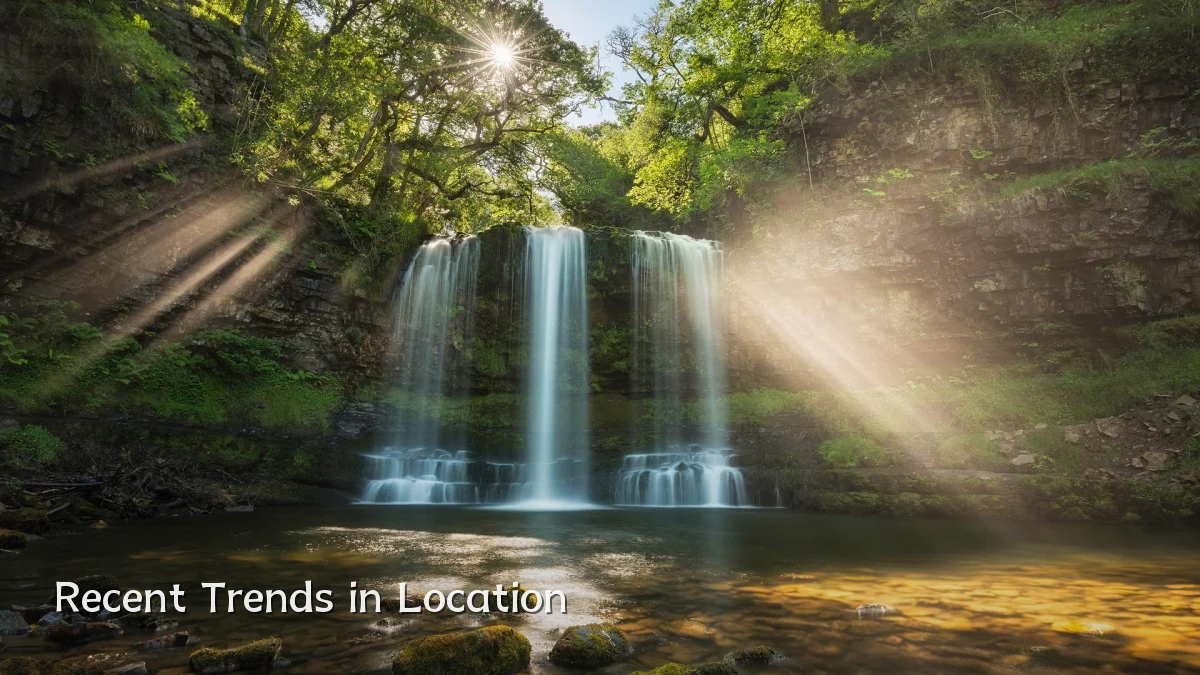
Interest in regional photo guides has grown as social media pushes photographers toward distinctive, less-saturated locations. The Cotentin blog sits within that shift, offering an alternative to well-documented coastal landmarks elsewhere in Normandy. Readers increasingly expect practical detail rather than generic scenery advice, and the guide reflects that by focusing on light angles, tidal windows, and less obvious viewpoints.
- A rise in car-based and self-guided photography trips to northern France.
- Growing demand for low-light advice that accounts for Atlantic weather patterns.
- Photographers sharing spot breakdowns in forums and private groups, not just on public feeds.
Background: Why the Cotentin Matters for Landscape Photography
The Cotentin juts into the English Channel, giving it an unusual mix of east-facing, west-facing, and north-facing coastlines. That variety means sunrise and sunset opportunities exist almost year-round, though the conditions differ sharply between the sheltered eastern shore and the exposed western capes. The terrain includes dunes, cliffs, harbors, and the famous fortified island of Mont-Saint-Michel's wider bay area nearby, though the peninsula itself offers many quieter locations.

The blog's approach emphasizes that the region is not one uniform scenery. A west-facing beach at dusk may produce dramatic cloud color, while an east-facing harbor at dawn can reward early risers with calm water and soft pastel light. The guide reportedly organizes spots by orientation, making it easier to plan a morning and evening shoot during a short stay.
User Concerns and Practical Considerations
Photographers using such guides typically raise the same set of concerns: access, tide safety, and whether the listed spot will match the intended mood of the image. The Cotentin's tides are among the largest in Europe, so a location that appears as a wide sandy flat at lunchtime may be fully submerged by late afternoon. The blog addresses this by advising users to check tide tables rather than relying on static maps.
- Tidal timing: Most reliable sunrise shots come within the two-hour window around low tide, when beach textures are visible.
- Access and parking: Several viewpoints require a short walk over uneven ground; a few are reachable only by narrow country lanes.
- Weather dependence: Clear skies may produce flat colors, while broken clouds often create the most dramatic sunrise and sunset tones.
- Seasonal shifts: Sunrise moves from roughly mid-morning in winter to early morning in summer, which changes how practical a given spot becomes.
Another recurring concern involves social media pressure. Photographers worry that popularizing a quiet cove will change its character. The guide appears aware of this, using descriptive hints rather than exact GPS pings for the more sensitive locations.
Likely Impact on Photography Planning and Local Engagement
The practical effect of such a guide is typically visible in how photographers allocate their time. Instead of spending a day driving between big-name landmarks, readers may use the Cotentin guide to build a multi-day circuit that matches their preferred light conditions. For local businesses and tourism boards, the indirect impact is mild but meaningful: photographers tend to stay overnight near sunrise and sunset locations, supporting small lodgings and bakeries in villages that larger tour groups rarely visit.
For the broader photography community, the guide contributes a repeatable planning method. The underlying logic—orientate a trip around light direction, then filter by tide and access—can be applied to any coastal region. That makes the Cotentin blog less a one-off travel piece and more a template for serious landscape photographers.
What to Watch Next
As the blog continues to evolve, several developments are worth monitoring.
- Whether the guide expands into autumn and winter coverage, when Atlantic storms bring dramatic skies but also unpredictable access.
- If the focus shifts toward video content or behind-the-scenes shooting logs for each location.
- How the blog handles the balance between sharing hidden spots and preserving their solitude.
- Whether similar location-first guides emerge for adjacent regions, such as the Channel Islands or the Brittany coastline.
In the near term, the most practical advice for anyone using the guide remains unchanged: check the local weather radar, arrive earlier than the estimated golden hour, and keep a backup location in mind. Light on the Cotentin is generous but never guaranteed, and the best photographers are often those who adapt when the conditions refuse to follow the plan.