Beyond the Coast: Photographing Cotentin's Hedgerows, Valleys, and Hidden Country Lanes

Photographers visiting the Cotentin peninsula have traditionally pointed their lenses toward the sea, chasing dramatic cliffs, tidal islands, and wide sandy beaches. In recent seasons, however, a quieter draw has emerged: the inland landscape of hedgerows, narrow lanes, and shallow valleys that makes up much of the region's rural interior. This shift reflects a broader trend in landscape photography toward intimate, small-scale subjects and slower travel.
Recent Trends
Online photo communities and regional tourism coverage now feature the Cotentin's bocage more regularly than in previous years. Where coastal overlooks once dominated image feeds, photographers are sharing undulating fields, sunlit banked lanes, and fog-filled valleys. The trend appears driven by a desire for unique frames that are less dependent on tides and weather extremes.
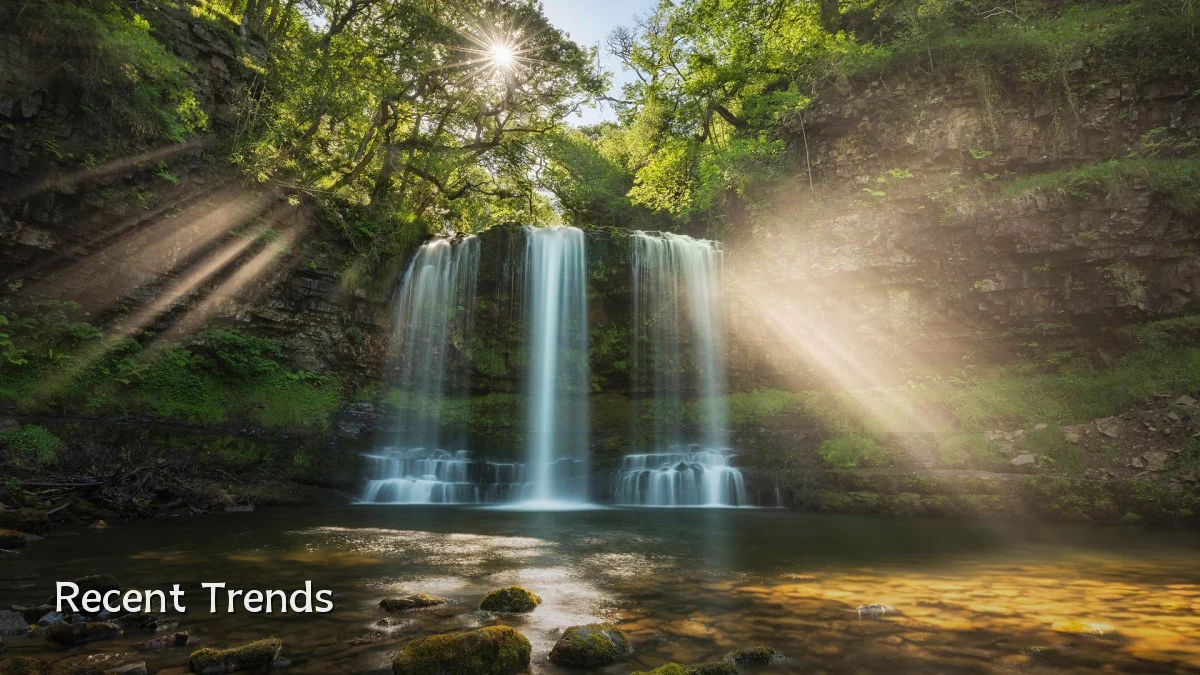
- Growing preference for early-morning and late-afternoon shoots that emphasize low-angle light on hedgerows and foliage.
- Increasing use of medium telephoto lenses to compress layered valley scenes, rather than relying on wide-angle coastal views.
- Renewed interest in seasonal transitions, especially autumn color and spring blossom in the inland lanes.
- More photographers combining inland shoots with coastal visits in a single trip rather than focusing exclusively on the shoreline.
Background
The Cotentin's interior is shaped by centuries of small-scale agriculture. Fields are divided by raised earthen banks topped with dense hedgerows, a system often described regionally as bocage. Between these field boundaries run sunken lanes and narrow rural roads that weave through valleys carved by modest rivers and streams. The terrain is subtle, with gentle slopes and scattered copses, offering layered rather than panoramic views.

Because the peninsula's coastline is so prominent in travel guides, the inland landscape has historically received less attention from visiting photographers. Those who do venture inward encounter a patchwork of working farmland, small hamlets, and quiet woodlands. The visual appeal lies less in iconic landmarks and more in repetition, texture, and changing light across the hedgerow network.
User Concerns
Photographing inland Cotentin is not as simple as pulling off a scenic overlook. Practitioners report several recurring considerations that affect planning and day-to-day shooting.
- Access and permission: most fields are private farmland. Shooting from public lanes is generally feasible, but entering fields requires courtesy to landowners and awareness of livestock.
- Navigation: sunken lanes often lack signage, and GPS coverage can be unreliable under dense tree cover. Carrying offline maps is a common precaution.
- Parking: many country lanes are too narrow for roadside stopping without blocking farm traffic. Pull-offs are limited, so early arrival and short walks are typical workarounds.
- Light and shadow: hedgerows cast deep shadows for much of the day, narrowing the practical shooting window compared with open coastal locations.
- Weather variability: moisture, mist, and rain are common in inland valleys, requiring lens cloths and weather-resistant gear more often than on exposed shores.
Likely Impact
The pivoting attention toward Cotentin's interior is likely to influence how the region is represented in photo publications, social media, and tourism materials. As more inland images circulate, expectations may shift from "coastal holiday" toward a fuller countryside experience. That shift could encourage visitors to extend stays, explore village accommodations, and spend in rural eateries and markets along less-traveled routes.
At the same time, greater foot traffic on quiet lanes carries implications for residents and farmers. Photographers who respect boundaries, close gates, and avoid blocking access tend to maintain goodwill, while careless visits could lead to restricted routes. Conservation-oriented photography may also raise awareness of hedgerow value for wildlife, pollination, and soil stability, reinforcing local efforts to maintain or replant hedgerows.
What to Watch Next
Seasonal change will remain the strongest draw for inland photography. Autumn color and winter mist offer compact shooting windows, while spring brings fresh foliage and active birdlife. Visitors should also watch for changes in land management, such as hedgerow trimming schedules, which can temporarily alter the look of lanes and fields.
- Emergence of community-curated route guides and photo maps that document accessible lanes and pull-off points.
- Possible expansion of agritourism and farm-stay options that position inland Cotentin as a base for photographic exploration.
- Increasing availability of workshops focused on hedgerow composition, rural detail, and woodland light rather than coastal scenes alone.
- Ongoing interest in "slow travel" itinerary formats that pair one coastal session with several inland sessions over multiple days.
For now, the practical advice from experienced inland shooters is consistent: plan around light and access, carry reliable navigation, and treat the working landscape with respect. The Cotentin's hidden country lanes reward patience with a quieter kind of beauty, one that is increasingly finding its way into the wider conversation.