The Complete Travel Photography Overview: Essential Gear, Settings, and Composition Tips
Travel photography has moved well beyond the postcard snapshot. For travelers, the camera bag is no longer just a piece of luggage—it is a decision-making hub where weight, versatility, and image quality meet. This overview examines the current state of travel photography, from evolving gear choices to the practical settings and composition techniques that shape modern travel images.
Recent Trends in Travel Photography
Several shifts are reshaping how travelers approach photography. Smartphone cameras continue to close the gap with dedicated cameras, and computational processing now handles challenging scenes—such as backlit sunsets and low-light interiors—that once required manual skill. At the same time, mirrorless systems have become lighter and more robust, making them the default recommendation for many travelers who want interchangeable lenses without heavy DSLR bodies.
Another visible trend is the growing preference for compact, all-in-one zoom lenses. Travelers increasingly choose a single lens with a wide-to-telephoto range to minimize lens changes and reduce dust and sensor-cleaning needs. Social media has also influenced framing habits, with vertical compositions and location-specific storytelling gaining prominence over generic wide-angle shots.
- Rise of computational photography in smartphones for HDR and night modes.
- Mirrorless cameras dominating new traveler purchases due to weight savings.
- Demand for versatile superzoom lenses that cover most travel scenarios.
- Growing interest in documentary-style and candid travel imagery.
Background: How Travel Photography Has Evolved
Travel photography was historically defined by its constraints: limited film rolls, fixed lenses, and the need to carefully meter each exposure. The digital era removed many of those barriers, allowing travelers to shoot freely and review results immediately. Over time, the focus has shifted from capturing a place accurately to conveying a personal point of view, a change accelerated by photo-sharing platforms.
Today's travel photographer works with a broad toolkit. A typical kit may include a lightweight body, one or two lenses, spare batteries, a small tripod, and filters. The emphasis is on redundancy and adaptability rather than accumulating gear. This practical approach reflects a wider industry recognition that the best travel camera is the one a person will actually carry over rough terrain and through long days of walking.
User Concerns: Gear, Settings, and Composition
Most travelers face three recurring concerns: what to pack, how to configure the camera, and how to frame a scene effectively. These concerns overlap, and resolving them usually requires trade-offs between image quality, portability, and ease of use.
Essential Gear
Gear choices should follow the type of travel, not the other way around. Urban trips and hiking expeditions place very different demands on equipment.
- Camera body: Consider weather sealing, battery life, and low-light performance. A body with in-body stabilization can help in dim environments where tripods are impractical.
- Lens range: A wide-angle lens (around 16–35mm full-frame equivalent) suits landscapes and architecture, while a standard zoom (24–70mm) covers most general scenes. A telephoto or superzoom is useful for wildlife and compressed street perspectives.
- Support: A compact travel tripod or a tabletop tripod provides stability without weighing down a backpack.
- Accessories: Extra memory cards, a spare battery, a lens cloth, and a simple cleaning kit are often more important than a bag full of lenses.
Settings
Understanding a few core settings gives travelers control over their images without requiring constant fiddling. The key is to know which settings matter most in different conditions.
- Aperture priority (A/Av mode): Use this when depth of field matters, such as isolating a subject with a blurred background or keeping an entire landscape in focus.
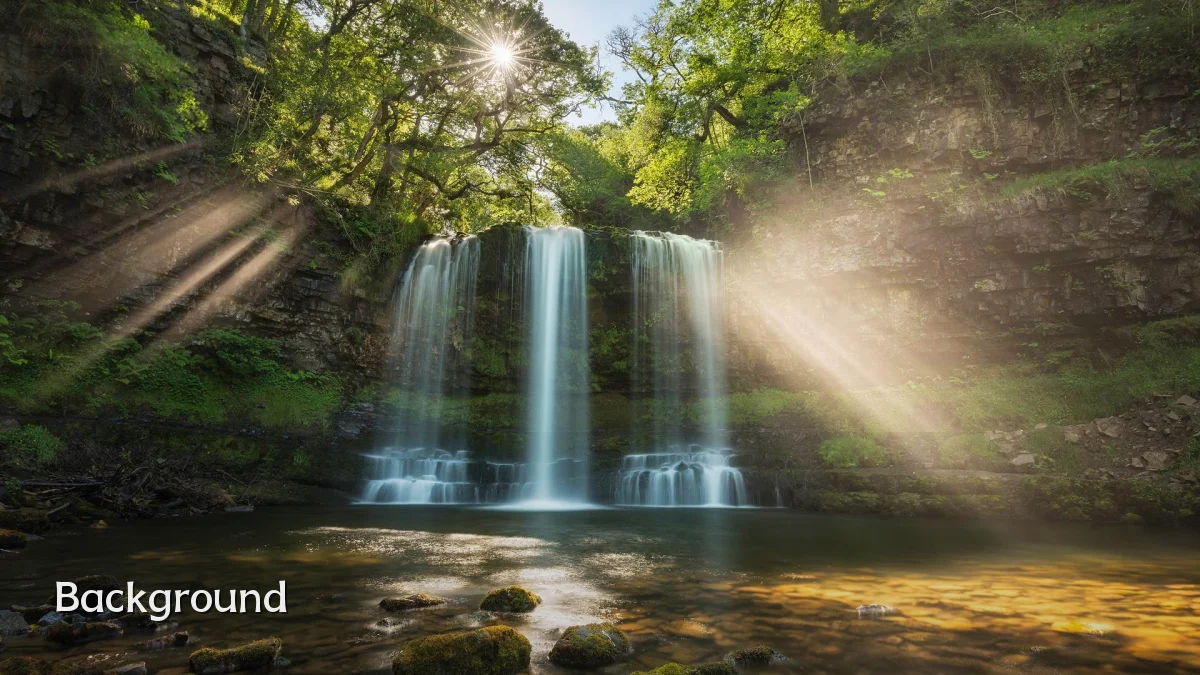
- Shutter priority (S/Tv mode): Useful for motion, like waterfalls and street scenes, where freezing or blurring movement is the goal.
- ISO: Start at the base ISO and raise it only when light drops. High ISO noise is less of a concern with modern cameras, but it is still worth checking.
- White balance: Auto white balance is reliable in many conditions, but switching to a cloudy or daylight preset can produce warmer, more consistent tones.
Composition Tips
Composition is the element that most reliably separates memorable travel photos from casual ones. While rules are meant to be broken, several techniques remain consistently effective.
- Use leading lines: Roads, walls, railings, and rivers guide the eye into the frame.
- Find layers: Foreground, midground, and background create depth in a two-dimensional image.
- Work with negative space: Empty areas give the subject room to breathe and convey a sense of scale.
- Watch the light: Golden-hour light is flattering, but overcast skies can be ideal for city streets and portraits.
- Wait for the moment: Patience often delivers better results than rapid shooting, especially in busy markets or public squares.
Likely Impact of Current Tools and Techniques
The practical impact of these trends is a lower barrier to entry. Travelers no longer need to master manual exposure to return with usable images, and lightweight gear encourages more spontaneous photography. At the same time, the abundance of capable tools raises the bar for originality; technically correct photos are common, so composition and storytelling carry more weight.
For casual travelers, the most likely change is a continued shift toward shooting in automated or semi-automated modes, relying on in-camera corrections and editing apps. For serious enthusiasts, the impact is more about efficiency: better battery life, faster autofocus, and improved image stabilization mean fewer missed shots in demanding environments. These developments also reduce the need for heavy accessories, which benefits travelers who move frequently between locations.
What to Watch Next
Looking ahead, travel photography will likely see further integration of artificial intelligence in both capture and post-processing. Scene recognition, automatic subject tracking, and cloud-based editing are already common, and these tools will continue to reduce technical friction. Travelers can expect lighter cameras with larger sensors, as well as continued improvements in smartphone zoom and low-light capabilities.
Another area to monitor is the growing emphasis on responsible photography. As more travelers visit sensitive cultural and natural sites, questions about permission, privacy, and minimal environmental impact are becoming part of the photographer's workflow. This shift may influence equipment choices as well, with smaller and quieter setups becoming more valued in respectful photography practices.
Ultimately, the direction of travel photography points toward simplicity and intent. The gear will become less of a barrier, and the photographer's eye will matter more. For anyone preparing for a trip, the advice is straightforward: travel light, learn a handful of settings well, and spend more time observing than adjusting the camera.