How to Choose the Right Travel Photography Shop for Your Next Adventure
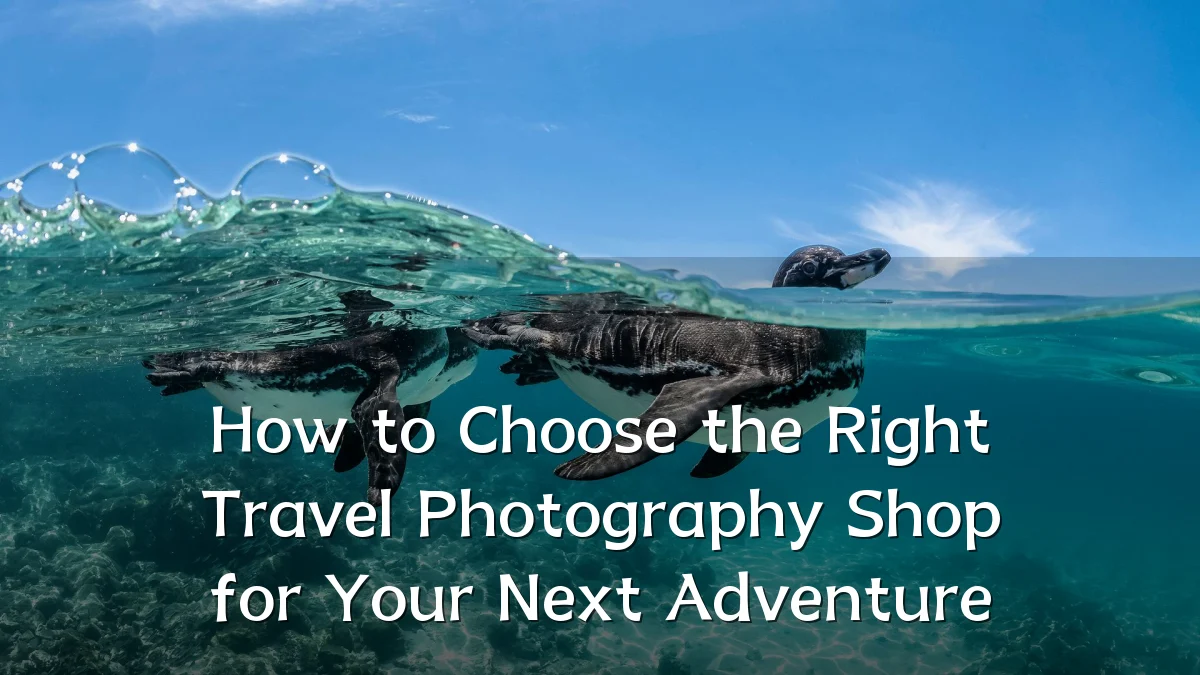
Before a major trip, many photographers face the same question: buy new gear, rent specialized equipment, or rely on a local shop for advice and last-minute supplies. The role of the travel photography shop has expanded beyond simple retail, and choosing the right one can shape both the quality of your images and the ease of your travel experience. Here is what to consider, based on current industry patterns and practical traveler needs.
Recent Trends
The travel photography retail landscape has shifted noticeably in recent years. Independent shops now often pair traditional sales with rental services, same-day lens loans, and destination-specific gear kits. Many stores have also built online platforms that allow travelers to reserve equipment before arriving in a city, with pickup and return arranged around flight schedules. Another visible trend is the growth of “try before you fly” programs, where travelers test gear in-store before committing to heavier purchases.

- Compact mirrorless systems have overtaken bulky DSLRs as a primary rental category.
- Specialty items like drone filters, weather-sealed lenses, and satellite messengers are increasingly stocked for adventure clients.
- Shops are offering pre-trip checklists and sensor cleaning services as add-ons to purchases.
Background
Travel photography shops have traditionally served three functions: providing equipment, offering technical advice, and supplying consumables like memory cards and batteries. In the modern context, they also act as logistics partners—helping photographers assess weight limits, climate conditions, and security considerations. A reliable shop understands the difference between a city trip, a trek, and a wildlife expedition, and it adjusts its recommendations accordingly.

For many travelers, the shop is not just a store but a source of local knowledge. Staff who have shot in the region can point out practical issues such as power plug compatibility, card readers for remote backups, or the need for polarizing filters in high-altitude light. This advisory role remains a core part of the shop’s value proposition.
User Concerns
When evaluating a travel photography shop, travelers typically weigh several factors. Neutral comparisons help avoid overcommitting to a single brand or service model. The following points are common decision criteria:
- Gear condition and maintenance: Inspect whether rental lenses have clean glass, functional autofocus, and no unusual image issues. Ask about service intervals and quality checks.
- Rental vs. purchase flexibility: Some shops apply rental fees toward a later purchase; others do not. Clarify upgrade and insurance policies before you travel.
- Expertise with your destination: Does the staff have firsthand knowledge of your route? Can they recommend a specific focal length for safari, street photography, or northern lights?
- Replacement and backup options: If a body or lens fails mid-trip, how quickly can the shop ship a replacement? Is there a 24-hour contact line?
- Transparent pricing and deposits: Be wary of vague “cleaning fees” or penalties for minor scuffs. Confirm security deposit requirements and credit card hold policies.
Travelers also pay attention to the shop’s physical location relative to their itinerary. A shop near an airport or major transit hub offers different convenience than one located in a city center, and this can affect pickup and drop-off time.
Likely Impact
The right travel photography shop can reduce the risk of missed shots and technical failures. A well-maintained rental body with a low-shutter-count, for example, is less likely to fail in extreme weather. A shop that offers a pre-trip gear check can also catch small issues like a loose lens mount or a failing battery contact before you are far from a service center.
On the other hand, poor choices can lead to avoidable stress: rented gear that does not match the advertised condition, unexpected charges, or a return process that requires long detours. Travelers who document the condition of equipment at pickup and who read the fine print on insurance generally experience fewer disputes. In this sense, the shop’s policies matter just as much as the brand names it carries.
For many photographers, the correct shop also serves an educational purpose. A short orientation from staff on how to operate an unfamiliar camera body or how to clean a sensor in the field can prevent costly mistakes. This impact is harder to measure but often determines whether the experience feels worthwhile.
What to Watch Next
Looking ahead, the travel photography shop segment is likely to evolve in a few observable directions. Smartphone-using travelers are creating demand for clip-on lenses, mobile gimbals, and compact lighting, which many shops are starting to stock alongside conventional cameras. Another area to watch is sustainability: some shops are experimenting with gear rental as a way to reduce manufacturing waste, and this may change how travelers think about ownership.
We may also see more stores integrate photo backup and cloud upload as a service, especially for travelers who do not carry laptops. Additionally, destination-based shops could form partnerships with tour operators, creating package deals where camera rental and guided excursions are booked together. That development would make the choice of a travel photography shop less about a single transaction and more about an ongoing travel ecosystem.
As the market matures, travelers who compare policies, inspect equipment, and read independent reviews will remain the best positioned to make an informed choice. With careful selection, the right shop becomes a quiet partner in the adventure—one that stays behind the scenes while enabling the images you bring home.