Mastering Natural Light: Travel Photography Tips for Golden Hour and Beyond
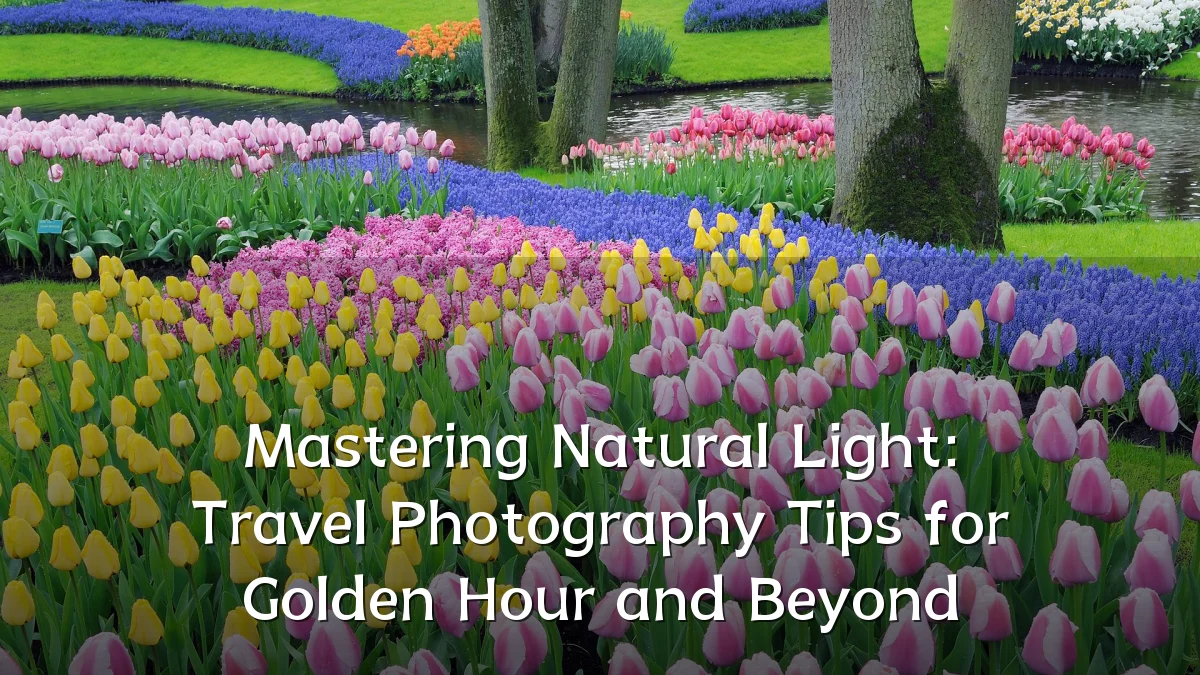
Natural light remains the most accessible and versatile tool available to travel photographers, yet it is also the most misunderstood. As travelers increasingly prioritize authentic imagery over heavily edited visuals, the ability to read and use natural light has become a core skill rather than a stylistic choice. The following analysis looks at how the conversation around natural light is evolving, what travelers commonly struggle with, and where the craft is heading.
Recent Trends
A visible shift has emerged in travel photography toward softer, more honest representations of place. Algorithm-driven feeds and editing fatigue have contributed to a growing preference for natural color, true shadows, and minimal post-processing. Photographers are posting more golden-hour and blue-hour work, not simply because it looks pleasing, but because it signals authenticity to audiences increasingly skeptical of heavily staged imagery.

- Smartphone cameras now offer computational features that simulate natural light, but many users still seek the real thing for more distinctive results.
- Workshops and online tutorials are focusing less on preset packages and more on light-reading fundamentals.
- Social platforms are rewarding candid, low-key scenes captured in everyday weather conditions, not just dramatic sunsets.
Background
The idea of the golden hour—roughly the first and last hour of sunlight—has long anchored travel photography advice. During this window, the sun sits low, producing warm tones and lengthening shadows that add texture and depth. Yet the concept has always been broader than a single hour. The quality of light depends on latitude, season, weather, and local geography, making fixed timing less useful than situational awareness.
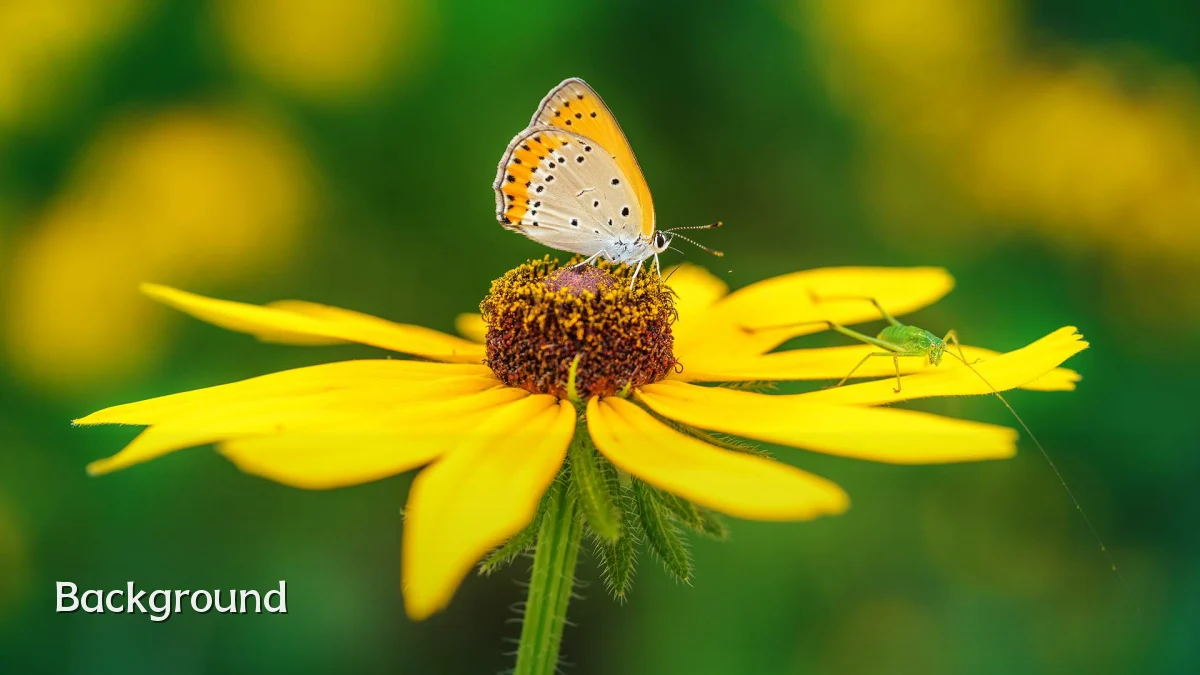
Beyond golden hour, photographers are turning attention to the blue hour, the period before sunrise and after sunset when ambient light takes on a cool, even tone. Overcast skies, once avoided, are now valued for their diffused, shadow-free illumination that suits portraits and street scenes. Even midday sun can be managed through open shade, reflective surfaces, or by positioning subjects to catch side or backlight.
Understanding these conditions requires more than technical knowledge. It demands patience, flexibility, and a willingness to work with what a location offers rather than forcing a specific mood.
User Concerns
Travel photographers consistently report a few recurring challenges when working with natural light, regardless of experience level.
- Planning uncertainty: Weather and cloud cover rarely follow a schedule, making it difficult to guarantee ideal conditions at a specific landmark or viewpoint.
- Dynamic range limits: Bright skies and dark foregrounds often exceed a camera sensor's ability to capture detail in a single exposure.
- Time pressure: Golden-hour windows are short, leaving little room for experimentation or repositioning.
- Over-reliance on editing: Many travelers resort to heavy post-processing to fix poorly captured light, which can create unnatural results and slow down workflow.
- Safety and logistics: Shooting in low light near unfamiliar terrain raises questions about safe return routes, navigation, and local regulations regarding photography at certain hours.
Likely Impact
The emphasis on masterful natural light is changing how travelers approach their craft in practical ways. Planning is increasingly built around scouting sessions during midday to identify angles that will work at sunrise or sunset, rather than hoping for a lucky moment. Gear choices are also shifting, with travelers favoring compact tripods, fast primes, and graduated neutral density filters over bulky lens collections.
Editing behavior is likely to follow suit. Photographers who expose correctly in camera can reduce time spent in editing software, allowing them to share images sooner and maintain a more consistent visual identity. This also supports a healthier travel routine, as longer evenings are not spent recovering lost detail but rather reviewing and selecting the strongest frames.
What to Watch Next
Several developments are worth monitoring as natural light photography continues to evolve.
- AI-assisted composition: Editing tools and camera firmware are beginning to suggest exposure adjustments based on scene analysis, which may help beginners but could also discourage hands-on learning.
- Improved low-light sensors: Newer camera sensors and smartphone lenses are handling low-light situations with less noise, reducing the technical barrier for blue-hour and night shooting.
- Real-time light forecasting: Apps that predict cloud cover, sun position, and light intensity are becoming more accurate, though travelers still need to interpret that data contextually.
- Sustainable travel practices: Increased interest in off-peak shooting times may encourage more thoughtful, lower-footprint travel patterns that avoid crowds and protect sensitive locations.
The durable lesson for travelers is not to memorize a schedule or a settings chart, but to observe how light behaves in each location and to remain flexible. Natural light is never truly predictable, and that unpredictability is what makes it an enduring subject for photographers. As tools improve, the photographers who succeed will be those who understand the fundamentals well enough to let both the light and the location guide their decisions.