Hidden Local Photography Spots You've Probably Walked Past
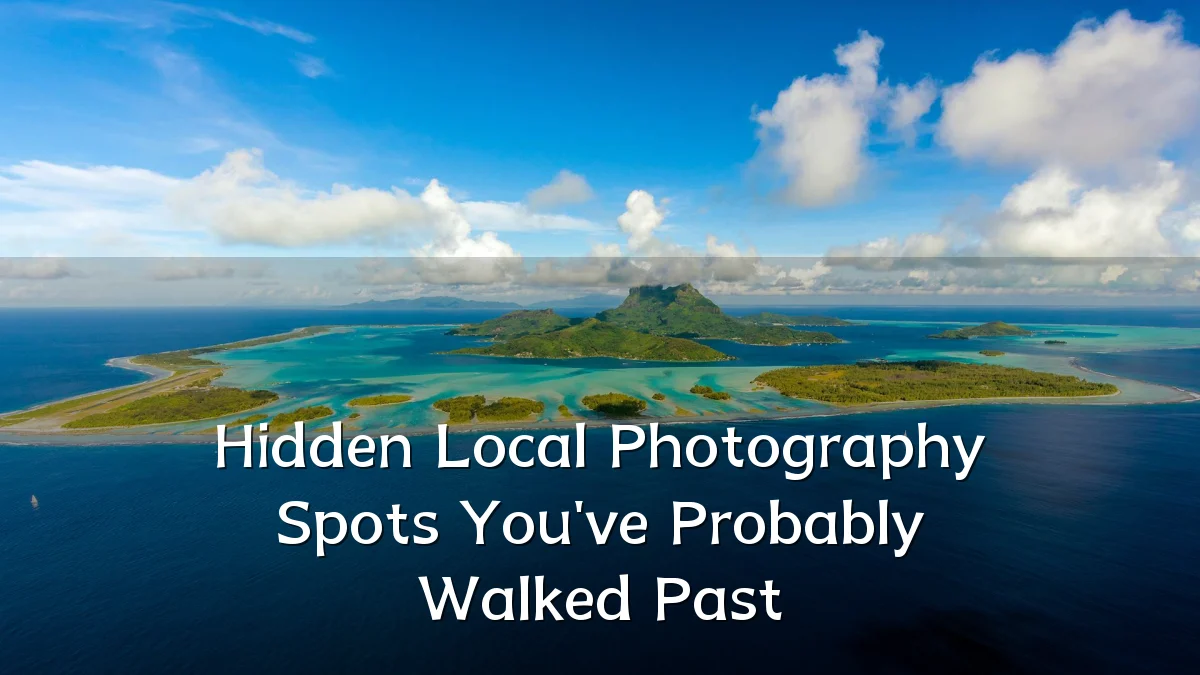
A quiet shift is underway in how photographers find subjects. Rather than chasing iconic landmarks or trending viewpoints, a growing number are documenting the overlooked spaces of their own neighborhoods — the alleyways, stairwells, underpasses, and service entrances that rarely appear in a standard search. This analysis examines the rise of the hyperlocal photography guide and what it signals for creators, residents, and the places themselves.
Recent Trends
Over the past few years, a visible pattern has emerged across photography blogs and social media: the same famous locations appear repeatedly, often captured from the same angles. In response, some photographers have deliberately turned inward, building guides around the unremarkable streets, transit stops, and commercial backlots they pass daily. These local guides tend to emphasize walkability, accessibility, and timing over spectacle.

- Search behavior is shifting: queries increasingly include terms like "near me," "hidden," or "less crowded" rather than landmark names.
- Social platforms favor discovery: algorithmic feeds reward novel, place-specific content over generic skyline shots.
- Cost and time pressures: rising travel costs and busy schedules make nearby, repeatable locations more practical.
Background
The "hidden spot" genre has long existed in photography, but its recent growth is tied to a broader interest in everyday urbanism. Functional architecture — fire escapes, loading docks, reflective glass, painted curbs, waiting shelters — offers texture and geometry without requiring permits or distant travel. Because these places are ordinary, they are often ignored by mainstream guides. That neglect is exactly what makes them useful to photographers seeking original frames.
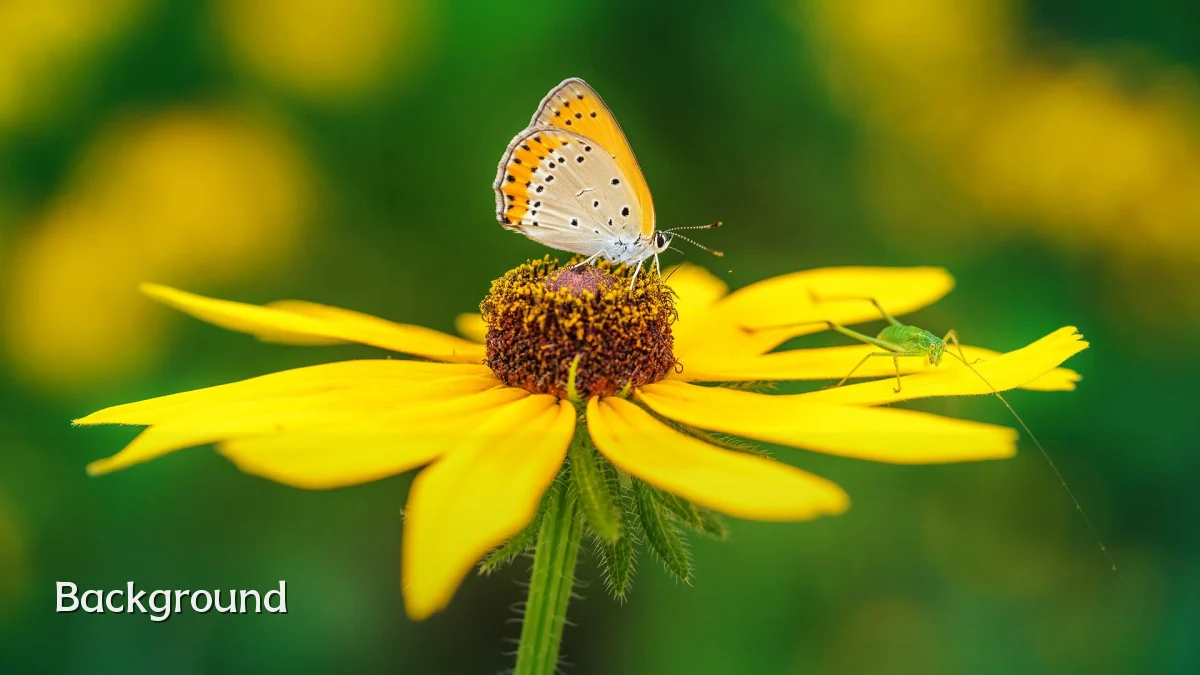
Local guides also benefit from a practical advantage: they can be updated frequently. A stairwell after rain, a parking garage at dusk, or a pedestrian bridge during low traffic can change character seasonally. Bloggers who live nearby can document these conditions with a level of detail that a one-time visitor cannot match.
User Concerns
Photographers exploring overlooked spaces face several recurring concerns, and responsible guides address them directly rather than treating every spot as a secret.
- Permission and legality: some locations are private property, staff-only zones, or subject to local restrictions. Good guides distinguish between publicly accessible space and areas that require approval.
- Safety and timing: deserted lots and narrow passages may be unsafe at certain hours. Guides that specify lighting, foot traffic, and entry/exit routes are more useful than bare coordinates.
- Resident privacy: residential alleys, apartment courtyards, and shop fronts are not props. Ethical guides flag when to avoid photographing identifiable people or private interiors.
- Overexposure: publishing a hidden location can quickly make it crowded. Some photographers share only broad descriptions or wait before revealing details, a practice that remains a point of debate.
Likely Impact
The growth of hyperlocal photography guides is likely to reshape how both hobbyists and professionals approach their immediate surroundings. For local businesses, a detailed photo guide can act as a low-cost form of promotion, drawing visitors to streets they would otherwise pass through. For photography communities, it encourages a craft that values observation over gear or destination. The impact on the spots themselves is more mixed: increased foot traffic can bring litter, noise, or trespass issues, while community attention may also lead to maintenance or preservation efforts that benefit everyone.
What to Watch Next
The next phase of the local guide trend will likely be driven by practicality and accountability. Expect to see more guides organized by season, weather condition, or light direction rather than by neighborhood alone. Interactive maps, geotagging on photo platforms, and resident-led submissions may become common, though they will also raise new questions about consent and overuse. As the genre matures, the most enduring guides will likely be those that pair strong images with honest, current information about access, safety, and respect for the people who live and work nearby.