What’s New on the Blog: Gear Reviews, Tutorials, and Inspiring Photo Essays
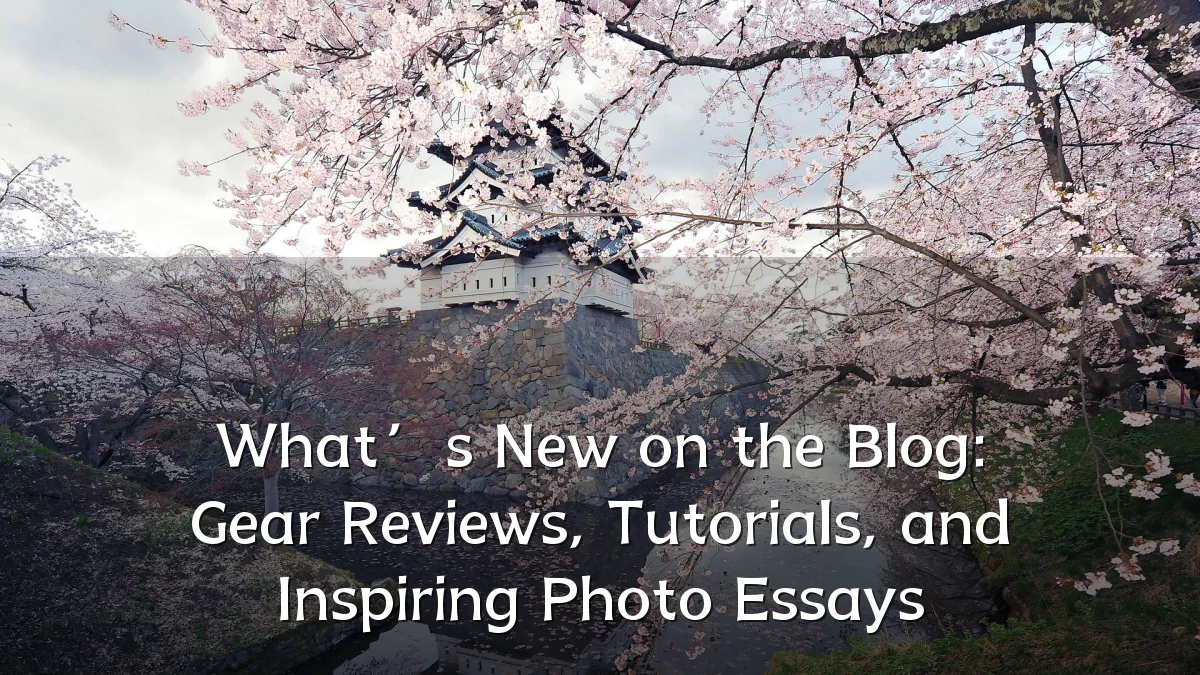
Photography blogs have evolved from simple image galleries into multi-format resources. Readers now expect a steady mix of hands-on gear assessments, practical skill development, and visual storytelling. This analysis looks at how these three content pillars are being refreshed, what audiences are asking for, and where the format is headed.
Recent Trends in Photography Blog Content
Publishing cadence and format choices are shifting to match changing reader behavior. Blogs that previously posted once a week now favor smaller, more frequent updates. The most visible developments include a stronger emphasis on real-world testing, more beginner-friendly tutorial structures, and a move toward narrative-driven photo essays that prioritize context over camera specs.

- Gear reviews: More editors are moving away from spec-sheet summaries and toward long-term usability reports, including lens handling in weather extremes, battery life under continuous shooting, and software support after launch.
- Tutorials: Short, task-oriented guides are replacing broad theory. Readers lean toward topics such as exposure compensation for mixed lighting, workflow automation, color grading for skin tones, and composition rules for vertical formats.
- Photo essays: Increasingly, blogs are pairing imagery with field notes, location history, and editorial commentary. The focus is shifting from single standout shots to cohesive visual narratives.
Background: Why These Three Pillars Persist
The structure of photography blogs has remained stable for over a decade because the underlying reader needs are consistent. Gear reviews address purchase and upgrade decisions, which are often high-cost and information-sensitive. Tutorials serve the continuous learning curve of photographers at every level. Photo essays provide inspiration and demonstrate how technical choices serve creative intent.

What has changed is the delivery. Video is now a common companion to written reviews, and tutorials often include downloadable presets or raw files. Photo essays are frequently serialized, with readers returning for follow-up installments on the same subject or location. These formats allow a single blog update to serve multiple audience segments without sacrificing depth.
User Concerns and Common Frustrations
Reader feedback across photography communities points to several recurring concerns. These are worth monitoring as blogs adjust their editorial mix.
- Review credibility: Audiences worry about sponsored content bias, early access privileges, and reviews that rely heavily on manufacturer-provided sample units.
- Tutorial relevance: Beginners often find guides either too advanced or too generic. Intermediate shooters seek techniques that translate across camera brands and editing ecosystems.
- Essay accessibility: Some readers note that photo essays can feel remote or overly artistic, especially when captions lack practical detail about settings, locations, or the photographer’s decision process.
- Update fatigue: With frequent posts, some blogs become repetitive, rehashing the same tips or referencing older reviews without adding new insight.
Likely Impact on the Photography Community
If the current trajectory continues, blogs will exert greater influence on purchase timing and creative direction. Long-term gear assessments may reduce impulsive buying by encouraging readers to wait for durability feedback. Tutorials with downloadable resources could increase hands-on practice rather than passive viewing. Photo essays may grow into community-driven projects, where blogs invite reader submissions or co-create stories with local photographers.
Editorial transparency is becoming a differentiator. Blogs that clearly separate paid partnerships from independent testing are likely to retain audience trust. Similarly, tutorials that acknowledge the cost and effort involved in certain techniques will resonate more with budget-conscious readers.
What to Watch Next
The next phase of photography blog development will likely be defined by a few observable signals. Readers and industry observers should watch for changes in how blogs handle the balance between timeliness and thoroughness.
- Comparative testing: More side-by-side reviews of similarly priced equipment, including older models, rather than only new releases.
- Interactive tutorials: Integration of before-and-after sliders, annotated images, and step-by-step checklists that readers can follow in real time.
- Documentary essay series: Multi-part stories that track a subject across seasons or years, offering deeper perspective than a single-post format.
- Community contribution models: Opportunities for readers to submit their own gear experiences or photo essay proposals to the blog.
- Format consolidation: Blogs may group related content into monthly digests, making it easier for readers to find updates without scrolling through unrelated posts.
Photography blogs remain a central resource for informed decision-making and creative growth. Their continued relevance depends on adapting to reader expectations without compromising editorial independence. The coming months will reveal which approaches gain traction and which become standard practice across the industry.