How to Capture the Timeless Charm of Paris Beyond the Eiffel Tower

Paris remains one of the most photographed cities in the world, yet the visual narrative around it is quietly shifting. While the Eiffel Tower continues to anchor postcards and social feeds, a growing number of travelers and photographers are looking past the iconic silhouette to document the city’s courtyards, canal-side walks, and everyday street life. The result is a more varied, textured portrait of the French capital—one that reflects how people actually experience it.
Recent Trends
In recent seasons, the most notable shift in French travel photography has been a move away from landmark-heavy, checklist-style imagery toward quieter, neighborhood-based storytelling. Social media feeds increasingly feature images of morning markets, limestone facades in the 11th arrondissement, and quiet bookshop doorways rather than wide-angle shots of the tower from Trocadéro.
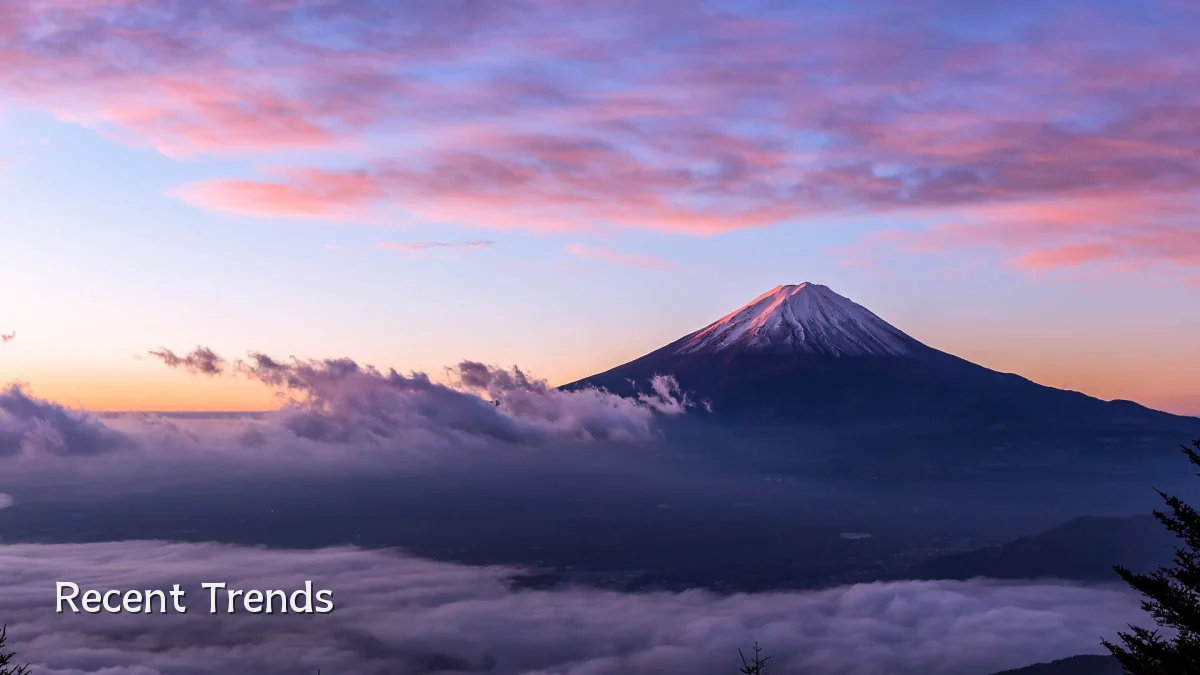
Several patterns are contributing to this change:
- Slow travel preferences, where visitors spend more time in fewer areas and document daily rhythms instead of rushing between monuments.
- Rising interest in second- and third-arrondissement districts such as Belleville, Canal Saint-Martin, and the 10th, which offer a less polished but more authentic visual texture.
- Lightweight camera gear and advanced smartphone sensors, making spontaneous street photography easier and less intrusive.
- A growing appreciation for off-season and early-morning shooting, when soft light and empty streets provide a more intimate view of the city.
Background
The Eiffel Tower has dominated Parisian imagery since its construction, and for good reason—it is visually distinctive and instantly recognizable. However, the saturation of that particular view has long been a point of discussion among photographers. Many argue that the most compelling Paris images are not the grand monuments but the small architectural details: the zinc rooftops, the carved doorways, the patterned cobblestones of the Marais.
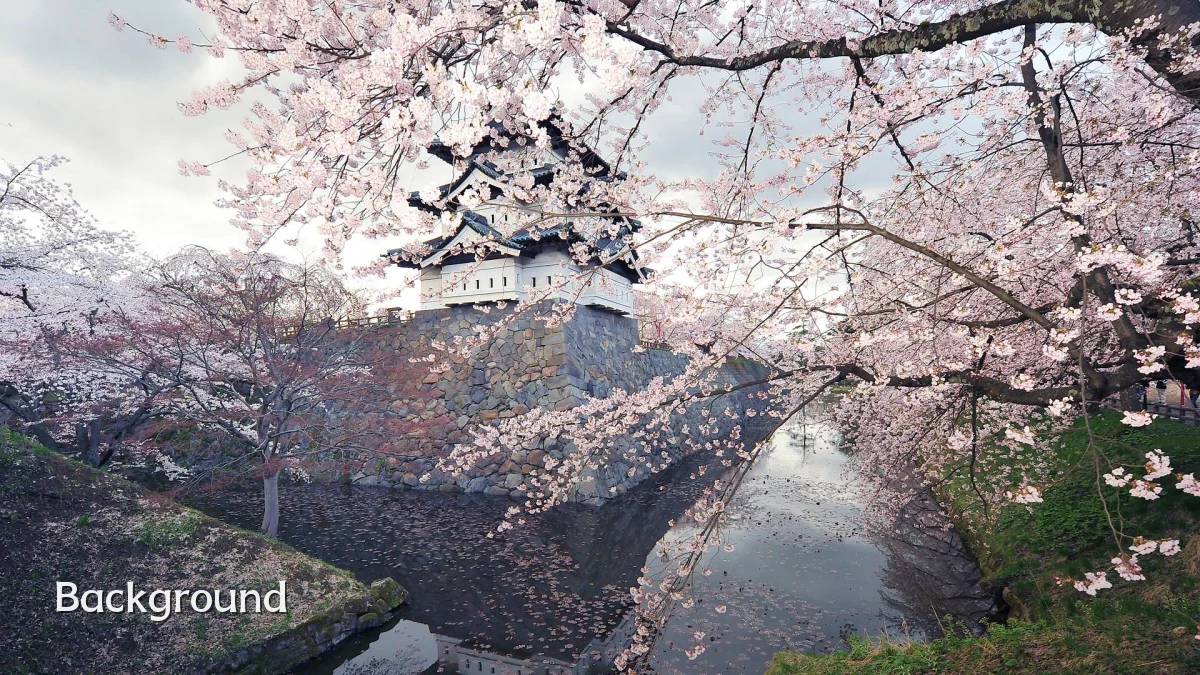
This is not a new idea, but it has gained practical momentum. Tourism boards and local cultural organizations have increasingly encouraged visitors to explore peripheral neighborhoods, partly to relieve congestion at central sites and partly to spread economic benefits across the city. Photographically, this creates a natural incentive to document places that have not yet been reproduced hundreds of times on social platforms.
The technical side has also evolved. Modern camera systems perform well in low light, making evening street photography more accessible, while editing software allows photographers to correct exposure and color balance without extensive post-processing knowledge. The barrier to producing credible, atmospheric Paris images is lower than it has ever been.
User Concerns
Travelers and photography enthusiasts face a set of recurring challenges when trying to capture Paris beyond the usual landmarks. These concerns are practical as well as ethical.
| Concern | Common Considerations |
|---|---|
| Overcrowding | Popular overlooks and bridges can be packed from mid-morning to sunset, limiting composition options and requiring long waits. |
| Privacy and consent | Photographing residents, shopkeepers, or children in public spaces raises legal and social questions, especially when images are shared online. |
| Weather and light | Paris weather is changeable; overcast days can flatten colors, while midday sun creates harsh shadows. Flexibility with plans is essential. |
| Originality | With countless images already published from every scenic corner, creating distinctive work requires patience, angle selection, and timing. |
| Equipment safety | Street photography involves carrying gear through crowded areas, which raises attention to theft prevention and travel insurance considerations. |
For many users, the central question is not which camera to bring but how to balance visual ambition with respect for the places and people being photographed. A practical approach involves photographing early in the day, asking permission before close portraits, and being attentive to local signage regarding photography in certain spaces.
Likely Impact
The broader focus on non-monumental Paris is likely to have several effects over the coming years. For travelers, it means a richer archive of personal images and a stronger sense of having seen the city rather than merely checking off destinations. For local communities, increased foot traffic in residential neighborhoods can support cafes, boutiques, and small hotels—though it also carries the risk of turning quiet areas into new tourist hubs.
From a cultural standpoint, the shift encourages a more honest visual record of the city. Paris is not only boulevards and glass pyramids; it is also suburban train stations, community gardens, and the everyday life of a diverse population. Images that reflect those realities carry a different kind of value than conventional postcard views.
At the same time, there may be a counter-movement. Some photographers deliberately seek the most recognizable views precisely because they are challenging to capture with fresh eyes. The Eiffel Tower will not disappear from travel feeds, but it is increasingly being incorporated into wider scenes—seen from a rooftop bar, through a residential window, or reflected in a rain puddle—rather than treated as the sole subject.
What to Watch Next
Looking ahead, several developments may shape how Paris is photographed and shared. These variables are worth monitoring for anyone planning a travel photography project in the city.
- Emerging neighborhoods: Areas along the northern edges of the city, such as La Chapelle and the 19th arrondissement, are gaining attention for their street art and immigrant-influenced food culture.
- Temporary exhibitions and installations: Public art in parks and along the Seine can provide rotating visual subjects that keep even familiar areas feeling new.
- Local policy changes: Regulations on short-term rentals, pedestrian zones, and vehicle access in the city center may redirect visitor flows to less central districts, altering where photographers naturally gather.
- Technological developments: The continued improvement of computational photography, including enhanced low-light performance and AI-assisted framing, may make spontaneous night shooting more forgiving for casual visitors.
- Editorial and algorithmic shifts: Platforms that down-rank clichéd landmark imagery in favor of niche or locally tagged content could further change which Paris photos gain visibility.
For the thoughtful traveler, the opportunity is clear: Paris rewards those who approach it with curiosity rather than expectation. The timeless charm is still there, but it is found as often in the shadow of a passing cyclist on the Quai de Valmy or the steam rising from a boulangerie vent as it is in the wrought-iron silhouette of the tower.