Capturing the Wild Cotentin Coast: A Photographer’s Guide to the Peninsula

For photographers who value raw coastal landscapes, the Cotentin Peninsula in western Normandy has become a recurring subject online. A growing cluster of blogs, often grouped under the loose label of “Cotentin photography blog,” is reshaping how both amateurs and professionals approach the region. This analysis looks at the recent surge in such content, the geography that drives it, the practical concerns photographers raise, and what the trend may mean for the peninsula.
Recent Trends
The current interest in Cotentin photography blogs appears to be part of a broader movement away from heavily marketed travel destinations. Instead of posting generic seascapes, these blogs tend to focus on process: how to read the light, when to visit specific cliffs or estuaries, and how to approach unpredictable weather.
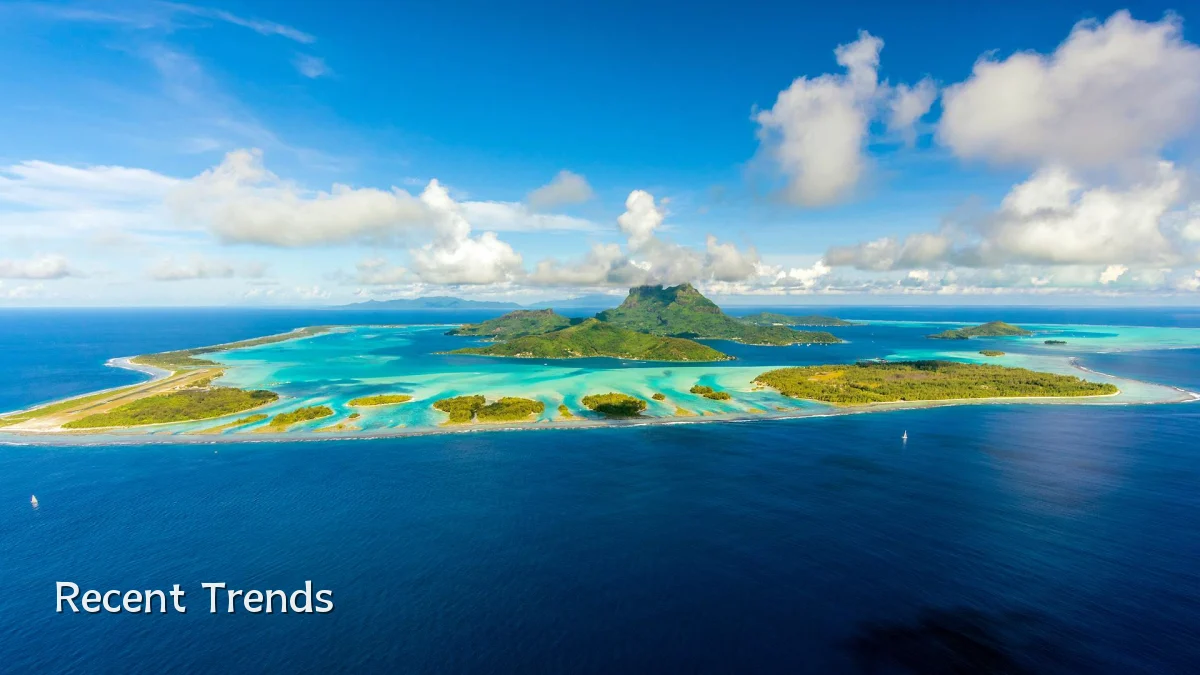
- Off-season focus: Many bloggers now highlight autumn and winter visits, when Atlantic storms create dramatic skies and empty beaches.
- Niche composition guides: Instead of general “best spots,” posts cover specific conditions, such as photographing low tide in the bay of Mont Saint-Michel from the Cotentin side.
- Drone and mobile integration: Several blogs now include practical advice on using drones above coastal reserves, alongside smartphone editing workflows for quick sharing.
- Local collaboration: A few blogs have begun working with local guides, farmers, and lighthouse keepers to document working coastal life rather than only pristine vistas.
Background
The Cotentin Peninsula is distinct for its long, irregular shoreline that faces the English Channel to the north and west, and the more sheltered bay to the east. This geography produces a wide range of environments: granite headlands, sandy dunes, mudflats, marshland, and steep valleys that reach the sea. The region’s mix of military history, small ports, and protected natural reserves gives photographers variety within a short driving distance.

What draws many photographers is the water itself. The Cotentin experiences some of Europe’s largest tidal ranges, meaning the coastline visibly transforms twice a day. A spot that is a rocky ledge at high tide can become a vast sandflat hours later. This constant change makes planning essential and rewards repeat visits.
The blog format suits this environment well. Unlike a static guidebook, a blog can update for seasonal conditions, new access rules, and evolving weather patterns. For the Cotentin, where local knowledge matters greatly, these blogs have become a practical resource rather than just a visual portfolio.
User Concerns
Photographers considering a trip to the Cotentin frequently raise the same questions in blog comment threads and forum discussions. These concerns are practical and often determine whether a shoot succeeds or fails.
| Concern | Typical Advice Seen in Blog Guides |
|---|---|
| Tide timing | Consult official tide tables before any visit. Arrive at least one hour before low tide for access to reefs and sandbanks. |
| Access restrictions | Check local notices for nature reserves, military zones, and private paths. Seasonal closures are common during bird breeding months. |
| Weather variability | Plan for four seasons in one day. Waterproof gear and lens cloths are essential; clear forecast windows can be very short. |
| Drone regulations | Confirm whether the location is in a restricted flight zone. Many coastal areas near ports or nature reserves have specific limits. |
| Ethical photography | Keep distance from wildlife and avoid trampling dune vegetation. A long lens is often better than approaching closer. |
Beyond technical details, commenters often ask about quiet places away from the well-known spots like Barfleur or the Nez de Jobourg. Bloggers tend to respond with less obvious locations, such as the west-coast beaches near Surtainville or the marshland around Sainte-Mère-Église, though they usually advise respecting private property and local residents.
Likely Impact
The growth of Cotentin photography blogs appears set to have several effects, though none are yet dramatic. The most direct impact is on local tourism patterns. Blogs that emphasize quiet, off-season photography may encourage visitors to spread out beyond the summer months and beyond the main attractions. This can benefit small businesses in villages that do not normally see many travelers.
Another likely impact is on environmental awareness. Photography blogs that openly discuss tide safety and wildlife disturbance help set an informal code of conduct. When a blogger explains why they did not climb over a fence to get a better shot, readers tend to absorb that behavior. In this sense, the blog niche acts as a soft guide for sustainable access.
The economic effect is more complex. If the peninsula becomes known primarily as a photography destination, there may be pressure to add viewing platforms or signposted “photo points,” which some local residents oppose. On the other hand, photographers who stay longer and return multiple times tend to spend more on accommodations, meals, and gear locally than day-trippers. The net result depends largely on how the local tourism bodies choose to engage with this community.
There is also a risk of creating a handful of viral spots that become overcrowded. Blogs that succeed in filming a unique sunset or a rare cloud formation can unintentionally send dozens of photographers to the same small beach on the next clear weekend. This pattern has already affected other coastal regions in northern France, and the Cotentin may not be immune.
What to Watch Next
The next phase of Cotentin photography blogs will likely focus on deeper local knowledge and more responsible storytelling. Here are several developments to observe:
- Interactive practical guides: Expect more blogs to embed tide graphs, weather radar, and GPS tracks rather than merely showing finished images.
- Workshops and paid groups: As interest grows, some bloggers may offer small-group field sessions. Watch for whether these remain respectful of access rules and local quiet.
- Environmental change coverage: Coastal erosion and changing winter storms are beginning to appear in blog posts. This may shift photo guides from static viewpoints to more adaptive, safety-oriented advice.
- Regional cooperation: Local tourism agencies may start linking to trusted photography blogs as a way to manage visitor expectations and distribute foot traffic.
- Platform shifts: If social media algorithms move away from photo posts, blogs may need to add video or long-form narratives to retain audience interest.
For now, the Cotentin photography blog remains a useful, low-key resource for anyone hoping to understand the peninsula’s moody coastline. The best guides treat the place as a living subject, not a collection of icons. That approach is likely to keep the genre relevant even as technology and travel trends change.